The Southern Truth: What Would Dr. Martin Luther King Jr. Say Today About Priming the Minds of Our Youth at Major Institutions for Free?
The Southern Truth
By Gloria Zuurveen, Editor-in-Chief
As we reflect on the legacy of Dr. Martin Luther King Jr., I often find myself wondering: What would he think of the state of our world today? After all these years, have we truly embraced the freedoms he fought for, or have we become ensnared by the very systems he sought to dismantle?
For decades, Black Americans have been told that to truly succeed, we must be educated at prestigious institutions like Ivy League schools or historically Black colleges and universities (HBCUs). The promise? If we keep up with the Joneses—specifically, white people and Boule Negroes of the W.E.B. Du Bois kind, the Talented Tenth—we’ll inherit an abundance of wealth and opportunities. But the reality is far different: we’re left burdened by massive debt that mortgages our futures. In a world plagued by inflation, survival itself feels like a constant battle.
It’s absurd to think that, after all the progress made, Black people have been lured down a path of false promises—one that encourages conformity while stripping away the power of our own heritage. What happened to the Black pride and self-sufficiency we once celebrated? What would Dr. King say about the fallacy of “integration,” which took away the dignity of our segregated spaces, only to replace them with new forms of exploitation?
Today, as nationalistic fervor grips the White House and protests seem to lack real purpose, I wonder: Where is the genuine call for justice? Where is the substantive action needed to address the systemic issues that continue to hinder our progress?
Dr. King once said that our lives begin to end the day we become silent about things that matter. And so, I ask: Who knows, after all these years of integration, how many college professors and school teachers are priming and mining the minds of our youth? We should ask what happened to all those ideas and who really made them real. What benefits were they to the originators—the born-creators? What happened? How many of our young people are being truly educated in today’s classrooms? How many are being taught to value themselves and their history, as descendants of the first people?
Too often, the minds of our youth are mined for ideas that benefit others—not the children themselves. After decades of integration, how many of our educators are empowering students to innovate, think critically, and understand their own worth? It’s crucial that we examine who truly benefits from the intellectual labor of our youth. Where do these ideas go once they’ve been extracted? How many remain in the hands of their creators, and how many are exploited by institutions that profit from these minds without giving back? Do we remember the NCAA?
I can’t help but think about the horrors inflicted on the people of the Congo under King Leopold’s reign—where lives were destroyed in pursuit of precious minerals. Today, our children’s minds are similarly mined, and ideas are extracted for the benefit of others. But just as the world failed to recognize the humanity of those exploited in the Congo, it seems we’ve yet to recognize the true potential of our own children.
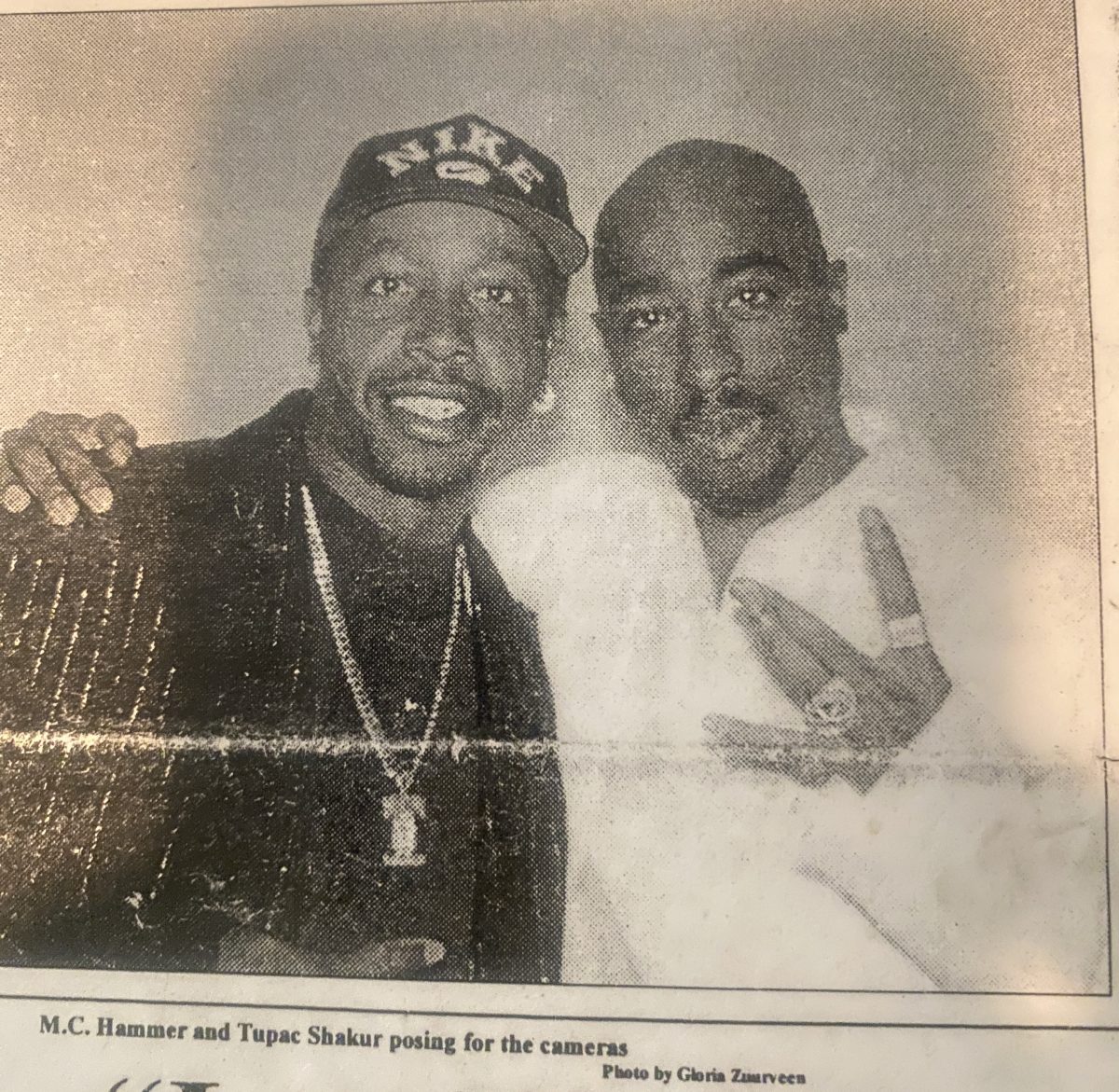
Dr. King, I believe, would be disturbed by how much Black children’s futures are still being stripped of agency, even as they are placed in systems that claim to offer opportunity. And I can’t help but think of Tupac Shakur, whose prophetic words continue to resonate today. Like Dr. King, Tupac rejected the shackles of conformity, only to find that wealth, power, and prestige would not protect him from the forces that sought to silence him. In their refusal to compromise, both men became martyrs for a larger cause—one that continues to demand justice and equality.
On this day, as we honor Dr. King’s birthday, it is time to ask ourselves: What have we truly overcome? Are we content to let the same tired system continue to dictate our futures, or will we demand real change? Until we create spaces where our children can learn the skills they were born to master—without being exploited for others’ gain—we will not see true growth. Instead, we will continue to live in a world where our potential is stunted.
If Dr. King were with us today, I believe he would echo the same sentiment. It is clear: after all these years, Black people still have not overcome. The time has come to say enough is enough. We must end the Good Ol’ Boy system, similar to the election of 1876 when a deal was struck to give the presidency to Rutherford B. Hayes, rendering the “Negro question” a regional issue rather than a federal one, as Doug McAdam wrote in his book Political Process and the Development of Black Insurgency, 1930-1970. Today, as we celebrate the real King’s birthday—the Rev. Dr. Martin Luther King Jr.—we see the same sentiments playing out in Washington, home to Abraham Lincoln’s monument. The situation looks strikingly similar to the Compromise of 1876. McAdam notes that, in Dahl’s phrase, the Compromise was “an important step in the process by which the issue of the freed Negro was denaturalized.”
Today, we see it loud and clear on Dr. Martin Luther King Jr.’s birthday in 2025—a compromise where it seems Black people are being, once again, denaturalized right before the world’s eyes. It’s the youth who will drive the change, and we must stop being a party to the exploitative educational game where Black youth minds are being primed and mined to benefit everyone else. It’s time to break free and create a future where our children can thrive, unburdened by the weight of a history that refuses to let them go.
The Southern Truth