Don’t Get Ready — Stay Ready When the Threat Is Real, Preparedness Is Power
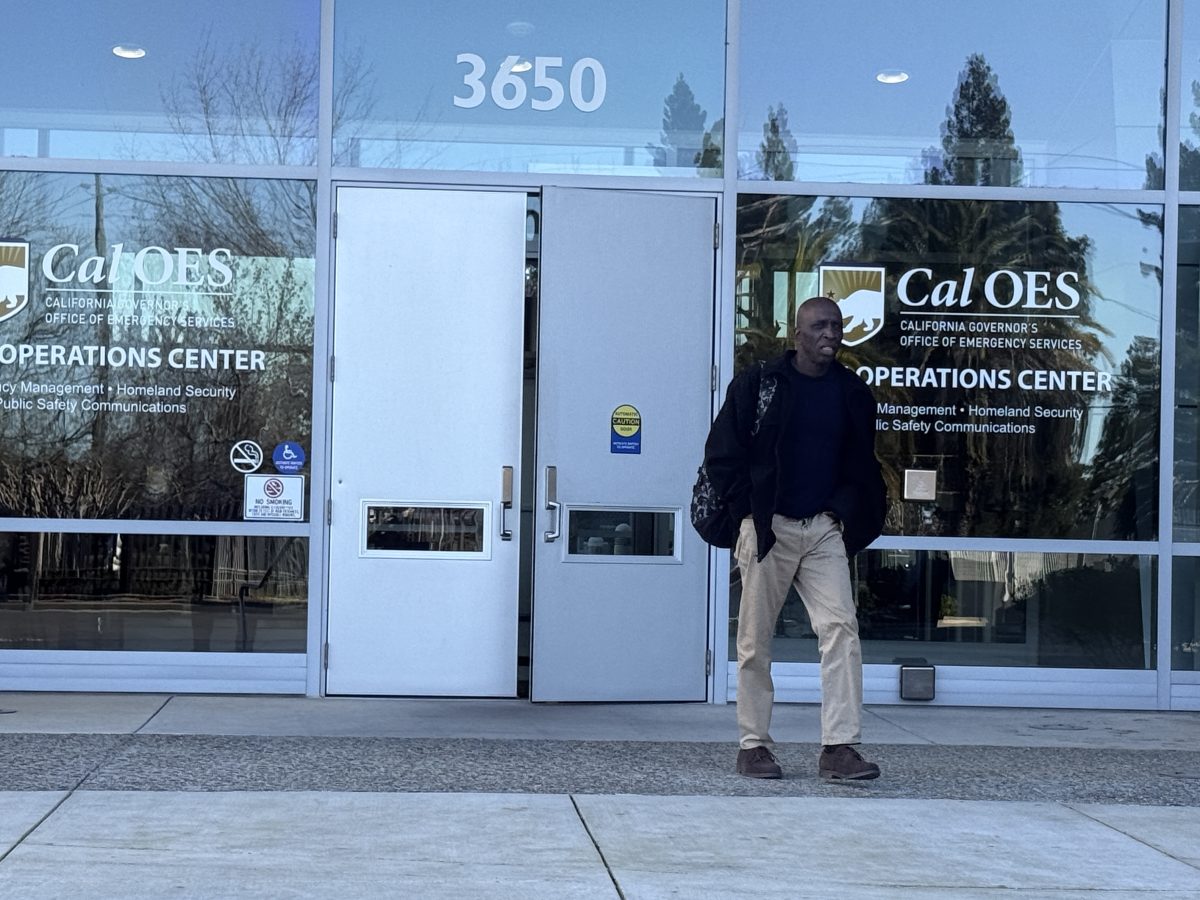
Antonio Harvey, writer and photographer, California Black Media at CalOES. Photo by Gloria Zuurveen
The Southern Truth
By Gloria Zuurveen, Editor-in-Chief
Recent reports warning of a potential direct threat to California amid rising tensions involving Iran are cause for serious reflection. Whether such threats materialize or not, they serve as a sobering reminder that preparedness is not optional in uncertain times. Emergency preparedness is not panic.
It is protection.
It is power.
Last Thursday began with a missed 6:00 a.m. flight out of Los Angeles International Airport to Sacramento. I did not arrive in time for the guided tour of the state’s emergency operations center.
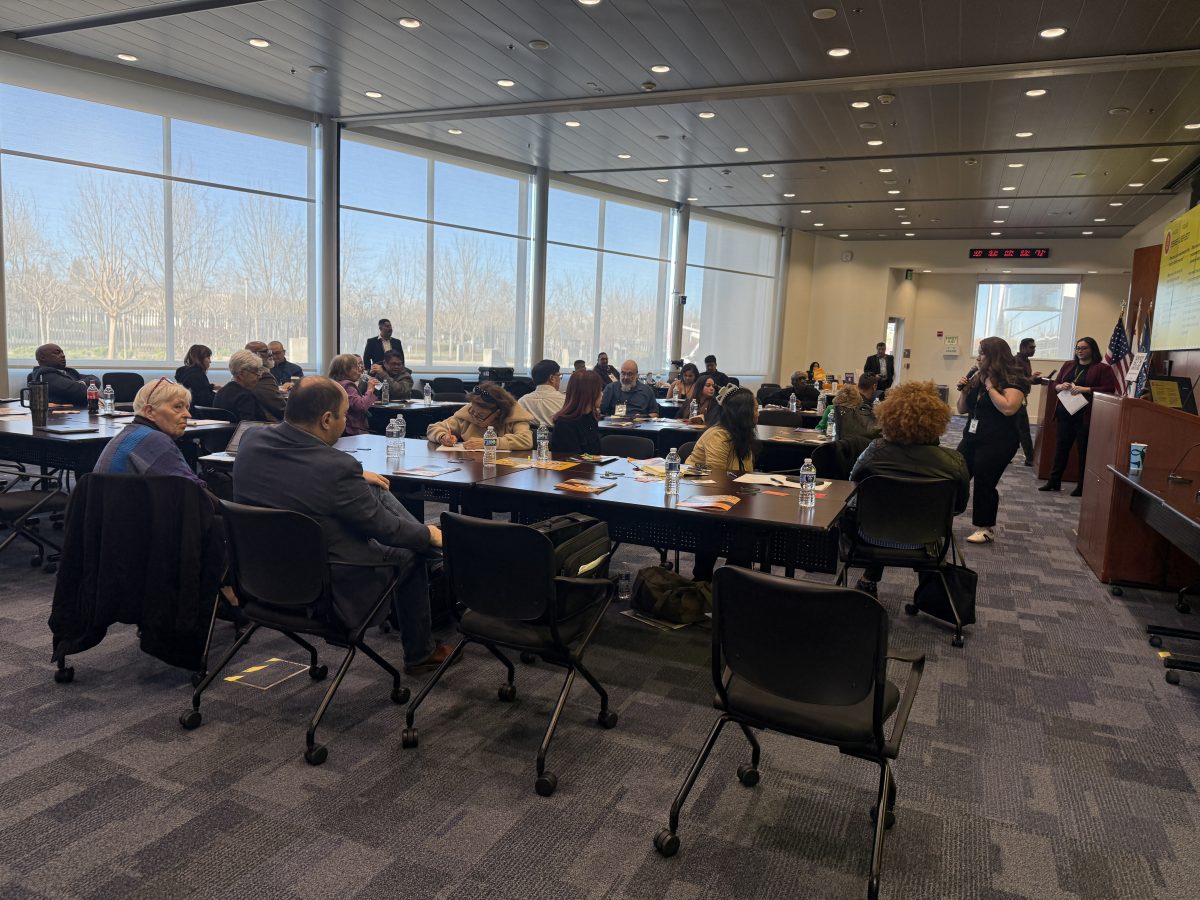
Participants at the Ready California Listos California Ethnic Media Summit in Northern California during training for disaster preparedness. Photo by Gloria Zuurveen
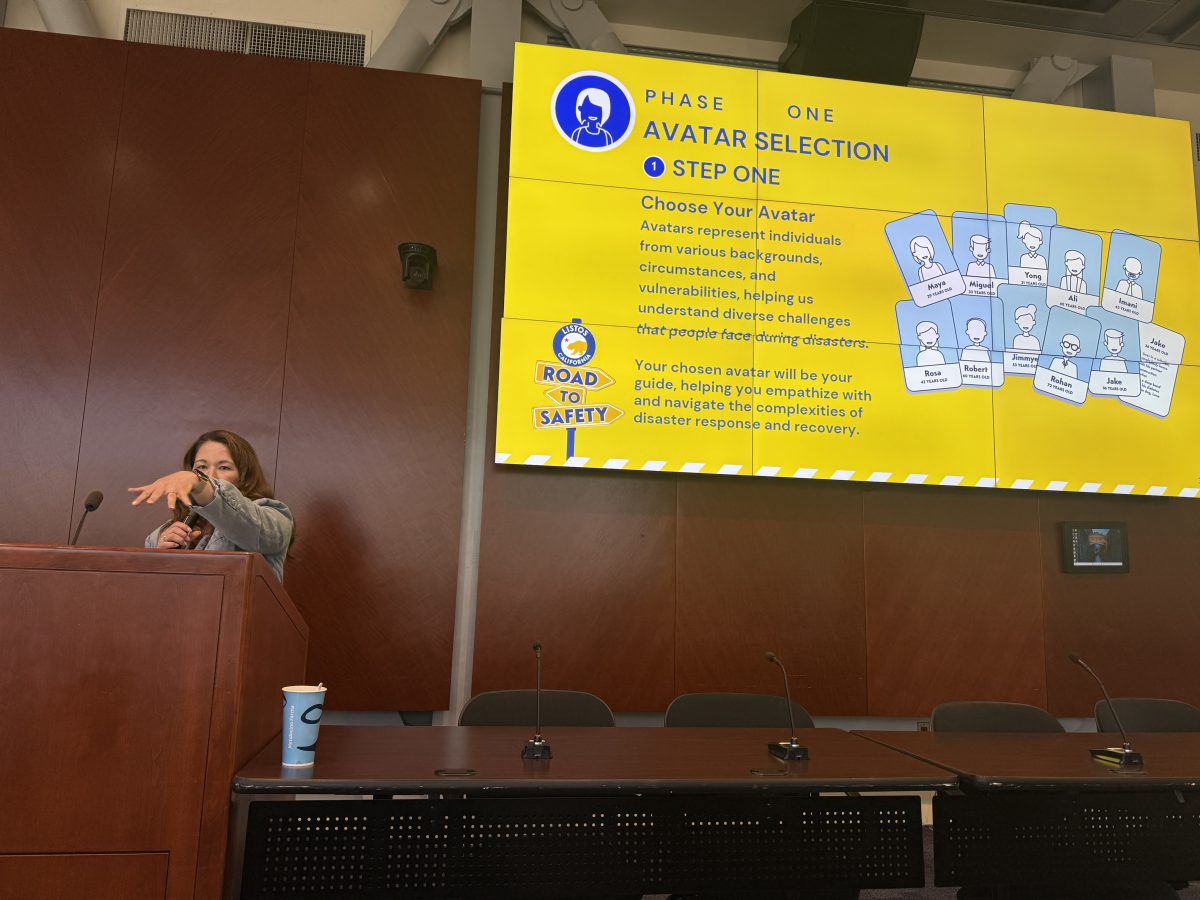
Listos California leadership training on disaster preparation at CalOES headquarters in northern California. Photo by Gloria Zuurveen.
However, fellow attendees described a sophisticated, coordinated hub of communication systems and monitoring infrastructure — a place where real-time decisions are made to protect nearly 40 million Californians. I pressed forward to attend the Listos California Emergency Training Ethnic Media Summit hosted at the headquarters of the California Governor’s Office of Emergency Services — widely known as Cal OES. Thanks to Sandy Close and her team at American Community Media and Regina Wilson, Executive Director, California Black Media, what unfolded there was eye-opening. Listos California, an initiative under Cal OES, is designed to ensure that communities — especially vulnerable and hard-to-reach populations — are prepared for disasters before they occur. This summit was not ceremonial. It was practical. It was interactive. It was urgent.
Through structured scenario exercises, media leaders were divided into teams and presented with detailed profiles reflecting real-life California realities.
One profile centered on a 60-year-old small business owner living on tribal land, caring for a daughter in the early stages of dementia. Another focused on a 63-year-old retired history teacher who lives alone in a suburban home and uses a wheelchair. A third involved a 29-year-old community college student living in a rural apartment with parents who do not speak English, no internet access at home, and four siblings — suddenly caught in a deadly heat wave and forced to evacuate from Alhambra.
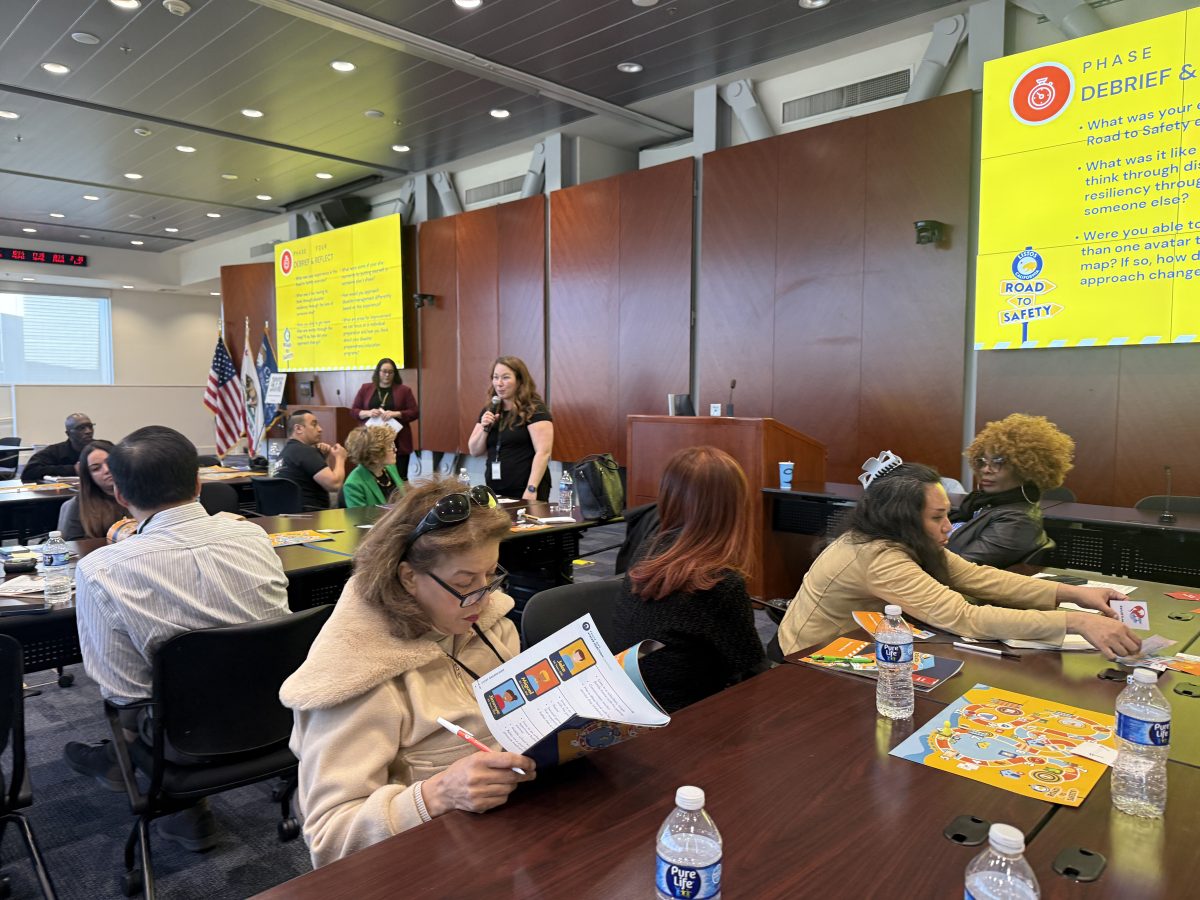
Cal OES Ethnic Media Summit Participants. Photo by Gloria Zuurveen
Each scenario required strategic thinking:
Where would evacuation lead them?
Who would they contact?
What essential supplies were needed?
How would they receive alerts without reliable internet?
What community resources could bridge the gaps?
The exercise underscored a critical truth: preparedness must be personal.
Mobility challenges change emergency plans. Language barriers alter access to life-saving information. Caregiving responsibilities complicate response time. Digital divides can isolate entire households from alerts. Cal OES, through Listos California, is working to close those gaps — equipping media outlets with tools and messaging strategies that ensure no community is left behind. As members of the press, we were reminded that our responsibility extends beyond reporting disasters after they occur.
We must educate before they happen. In moments of crisis, communities do not seek speculation. They seek clarity. They seek trusted platforms that understand both the systems in place and the lived realities of the people they serve.
The Southern Truth is simple:
Preparedness is empowerment.
While global tensions may escalate and headlines may alarm, structured planning reduces vulnerability. The infrastructure at Cal OES reflects statewide coordination. The Listos California training reflects community-centered execution. Together, they represent a framework of readiness.
Fear immobilizes.
Preparation mobilizes.
Don’t get ready. Stay ready.