Why Sean “Diddy” Combs Still Deserves to Be Free on Bond

Sean “Diddy” Combs at the 2009 Inauguration of President Barack Obama. Photo by Gloria Zuurveen
 The Southern Truth
Convicted on lesser charges—but still denied bail in a system stacked against him
By Gloria Zuurveen, Editor-in-Chief, PACE NEWS
I praise God for the message in the book of Romans in the Bible that tells us: All have sinned and come short of the glory of God.
This truth resonates powerfully in the case of Mr. Sean “Diddy” Combs. After months of humiliating headlines and a federal trial watched around the world, Combs was acquitted of the most serious trafficking charges that could have sent him away for life. But the jury did convict him on two counts of transportation to engage in prostitution under the Mann Act—an outdated federal law born of racism more than a century ago. Each of these charges carries up to 10 years, meaning Diddy could face as much as 20 years in prison. But the deeper injustice here isn’t just the conviction: it’s the judge’s refusal to grant him bond—even after the jury rejected the biggest charges. Instead of being released to prepare for sentencing, Combs remains behind bars, humiliated and shackled by a system that punishes him not only for what he did, but for who he is. As Reuters reported, Diddy fell to his knees in open court, thanking God for deliverance from a lifetime sentence. His entire life had been torn apart before the world’s eyes: family, businesses, and reputation dragged through the mud. But instead of walking free on bond, he remains locked away—punished beyond what the jury decided.
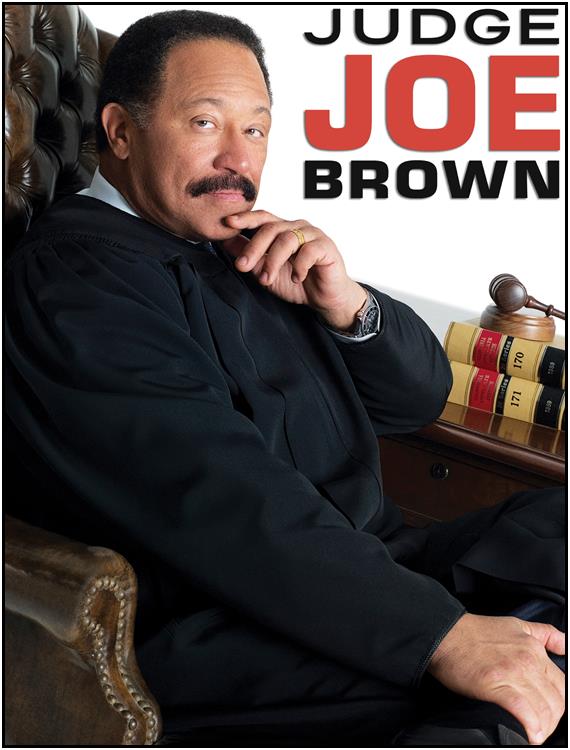 Judge Joe Brown calls it what it is
Retired Judge Joe Brown, never one to hold back, laid bare the injustice: “There’ve been serious concerns about the constitutionality of the Mann Act… passed originally to destroy Black Heavyweight Champ Jack Johnson, who dared to marry a white woman.” Judge Brown warned that prosecutors tainted this case with “proof of other crimes”—convicting Combs not only for what was proven, but for what the jury might believe about him.
He further pointed to the hypocrisy in Hollywood and politics: Judge Joe Brown noted: “There were allegedly 15 years’ worth of incriminating recordings.”
To me, that sounds like a lot of Heidi Fleiss matter — except instead of a little black book, it’s what Judge Joe Brown says was allegedly stored away for leverage. A modern game of power and blackmail, where the book becomes files and recordings — and the stakes become a man’s freedom.
And he raised the question no one wants to touch: “Under the circumstances, speculation on the ‘Epstein’ implications of this matter is unavoidable. Was anyone being protected—and if so, whom?”
Beyond guilt: the public whipping of a Black man
None of this excuses wrongdoing. Combs himself must face the consequences for what the jury found him guilty of. But denying bond—even after acquittal on the most serious charges—looks less like justice and more like punishment designed to break his spirit.
The Mann Act, as Judge Brown reminded us, has roots in targeting prominent Black men. Its very history makes it suspect when applied today—especially when prosecutors introduce salacious, unrelated accusations to sway jurors and the public.
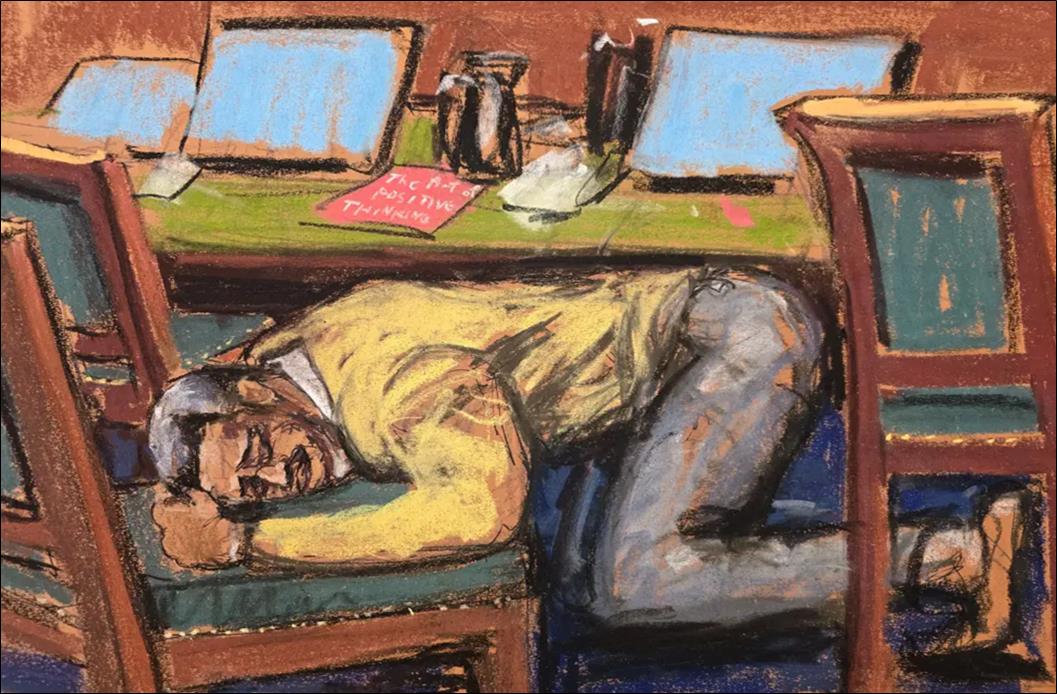
Sean “Diddy” Combs prays in court after the verdict is read on July 2, 2025. Photo courtesy cbsnews.com
Electra, a friend of Combs’ late ex Kim Porter, summed it up perfectly: “MISTAKES… we all make them. JUDGING… we all do it. GOSSIP… we are all guilty of it.”
Romans reminds us that all have sinned. But only some are crushed so publicly by a system eager to prove it still has power over them.
The Southern Truth
This isn’t about guilt or innocence anymore. It’s about whether the system can keep a man caged because of fear and speculation—even after a jury says “no” to the worst accusations. It’s about whether Black men can ever truly “win” against a system designed to keep them losing. That is The Southern Truth: when the court of law says “not guilty” on the biggest charges, but the judge still says “you’re not going anywhere.” It’s time to let Sean “Diddy” Combs come home on bond—to face what comes next, but to do it with dignity and freedom until sentencing.