
The Rev. Jesse Jackson I Knew and Remember

Rev. Jesse Jackson attends the 2009 inauguration of President Barack Obama in Washington, D.C., alongside his daughters, Jacqueline (Jackie) Jackson and Santita Jackson, and media icon Oprah Winfrey. Photo by Dr. Gloria Zuurveen.
The Southern Truth
By Dr. Gloria Zuurveen, Editor-in-Chief
It was Tuesday morning in Panola County, Mississippi. I was downtown on what we simply call “the Square,” handling business, when I stepped away to have lunch at Windy City Grill in Hernando. Somewhere between the ordering and the sitting, the news came across: Rev. Jesse Jackson had died.
Shock. Awe. A stillness.
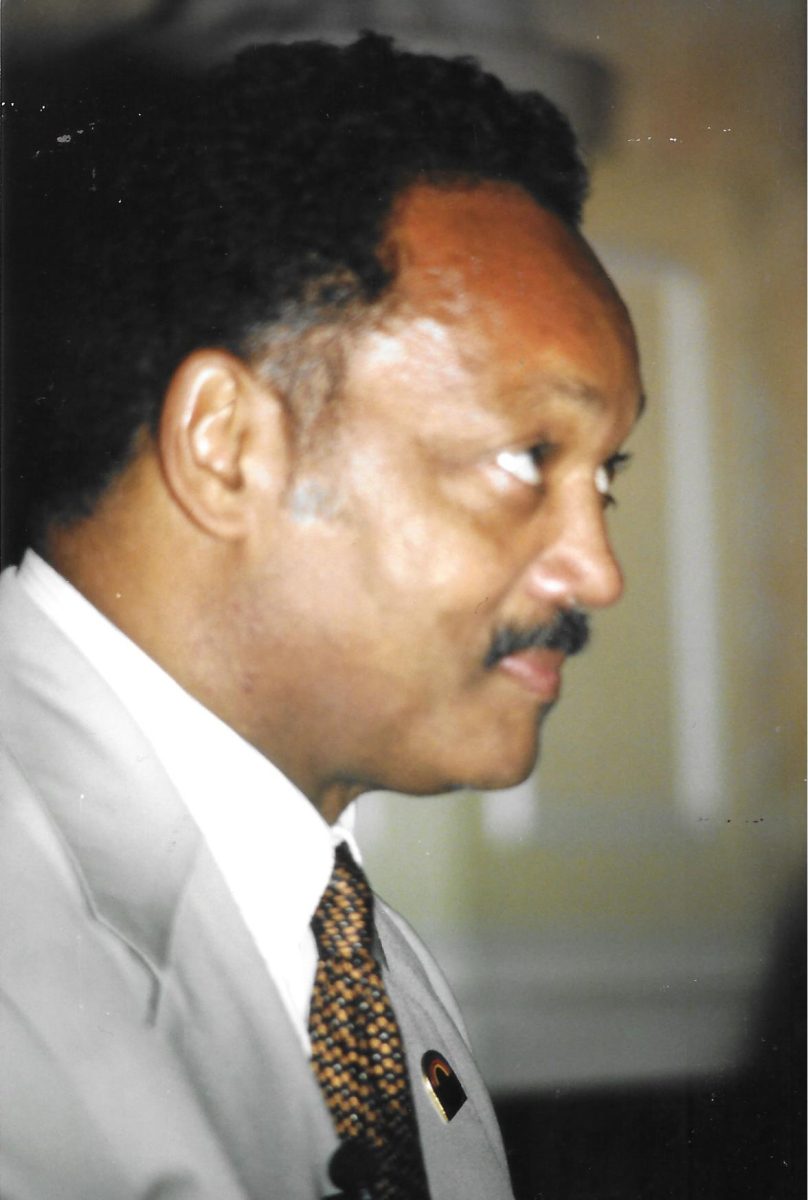
Rev. Jesse Jackson, Sr.
Photo by Gloria Zuurveen
Another Civil Rights and Black Power giant had fallen among us.
But in that moment, what came over me was not only grief — it was memory.
Because long before I ever founded PACE NEWS, long before Los Angeles knew my name, I was just a young Black girl in segregated Mississippi listening to a man whose voice could reach through walls, through fear, through history itself.
It was this man — Jesse Jackson — who gave me hope when hope was not fashionable. He gave me motivation to rise from the South with nearly nothing but a dream and the belief that we have the power to live as kings and queens in America.
“Keep Hope Alive.”
That slogan was not decoration. It was declaration.
Keep Hope Alive is the slogan that made this Black Mississippian thrive.
With his dashiki and his big Afro, standing tall in the middle of a divided nation, he told us we had come from the back of the bus — but we were not destined to stay there. As a youngster in the heart of segregation in Senatobia, just 35 miles south of the Lorraine Motel in Memphis, I heard him talk about Black elevation.
And it was powerful.
It was motivation.
It was permission to believe that as a people we would make it.
“I may not be white, but I am somebody.”
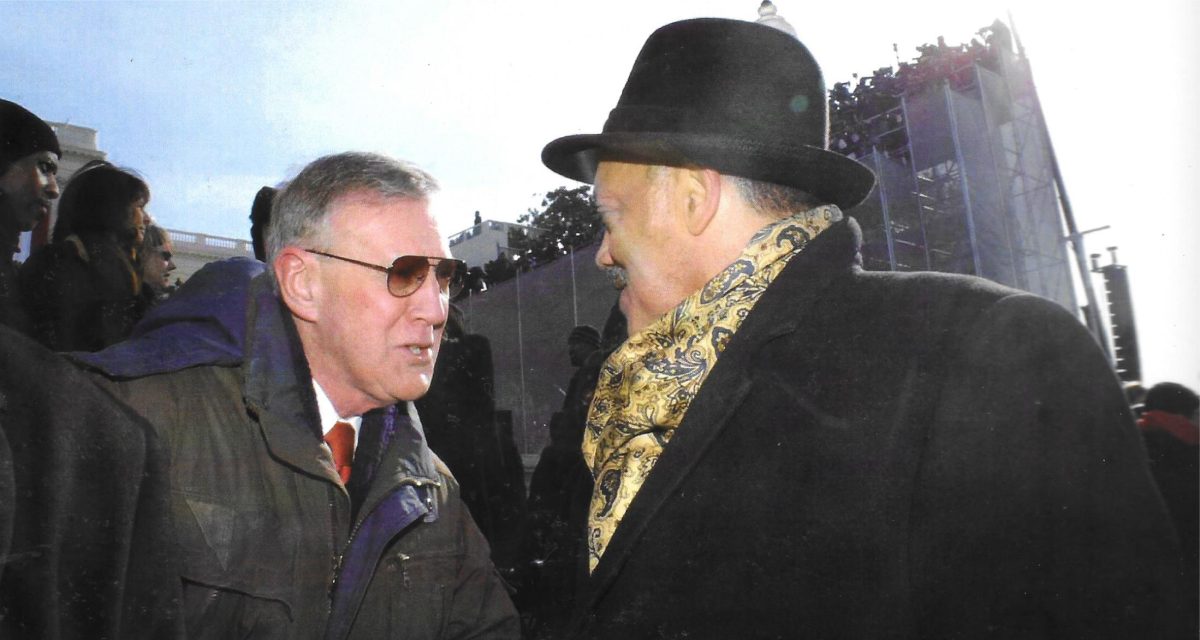
Rev. Jesse Jackson speaks with an attendee during the 2009 inauguration of President Barack Obama in Washington, D.C. Photo by Dr. Gloria Zuurveen.
That phrase did not just pass through my ears. It planted itself in my spirit. In a region where systems were designed to shrink you, he expanded us. In a culture that tried to define us by limitation, he defined us by possibility.
He passed on Tuesday, February 18, in the middle of what we celebrate as Black History Month — a month shaped by the very struggle he helped sustain and advance. Rev. Jackson was ordained not only by clergy but by calling. He spoke from his heart with a rhythm rooted in Southern blues and a gospel ideology grounded in theology. He carried God’s knowledge across continents, across cultures, across conflicts.
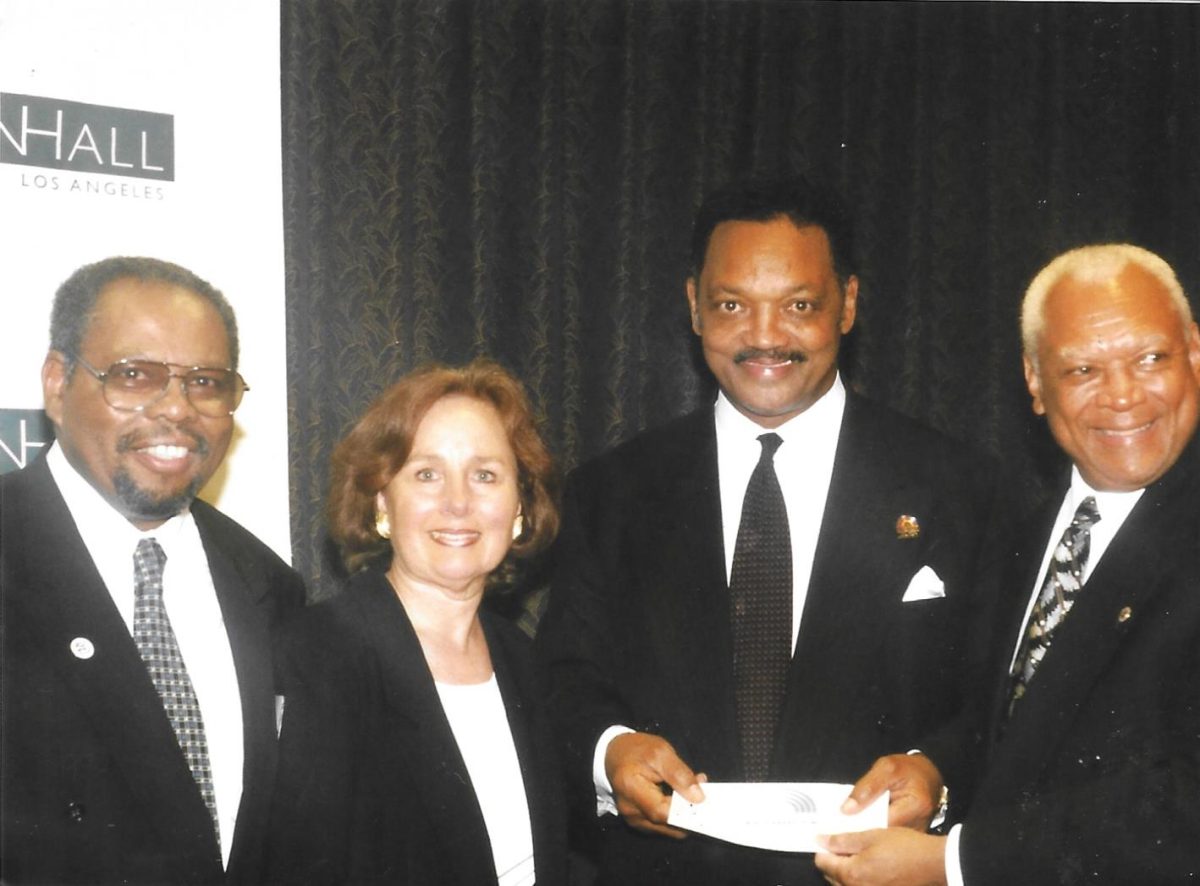
Rev. Jesse Jackson attends a Town Hall Los Angeles gathering with John Mack of the Los Angeles Urban League and other attendees. Photo by Dr. Gloria Zuurveen.
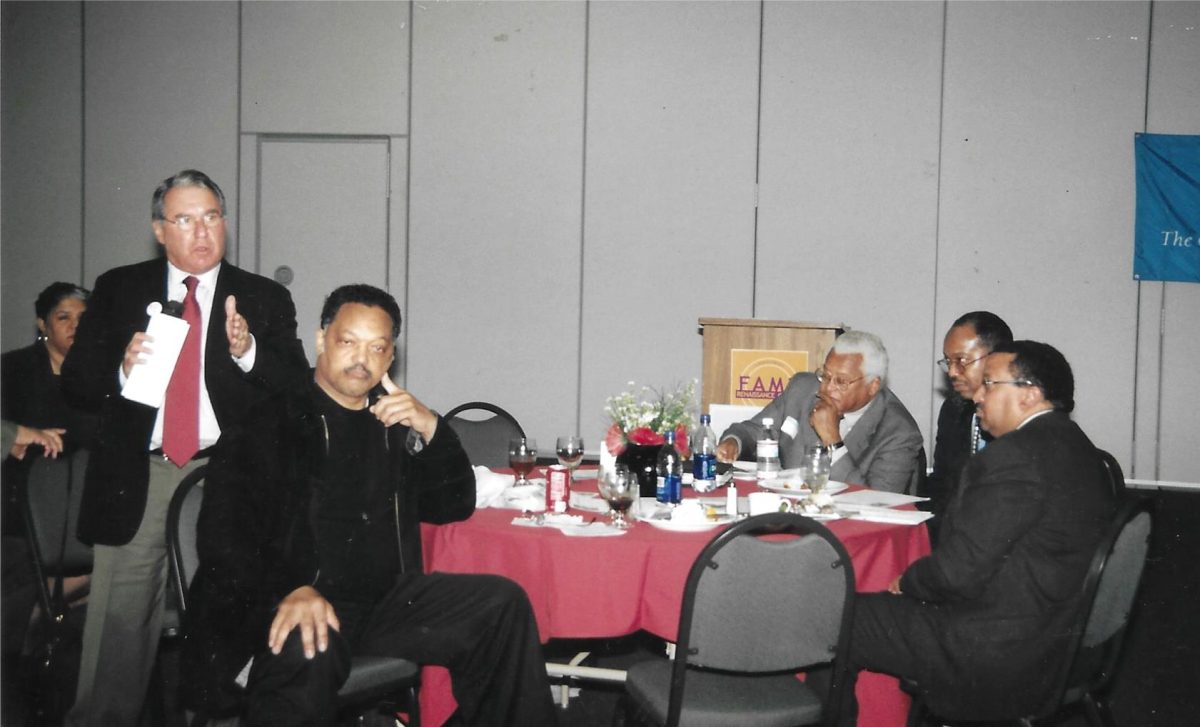
Rev. Jesse Jackson listens during a clergy meeting at First AME Church in Los Angeles alongside Rev. James Lawson, Bishop Henry Williamson of the CME Church, and fellow ministers.
Photo by Dr. Gloria Zuurveen.
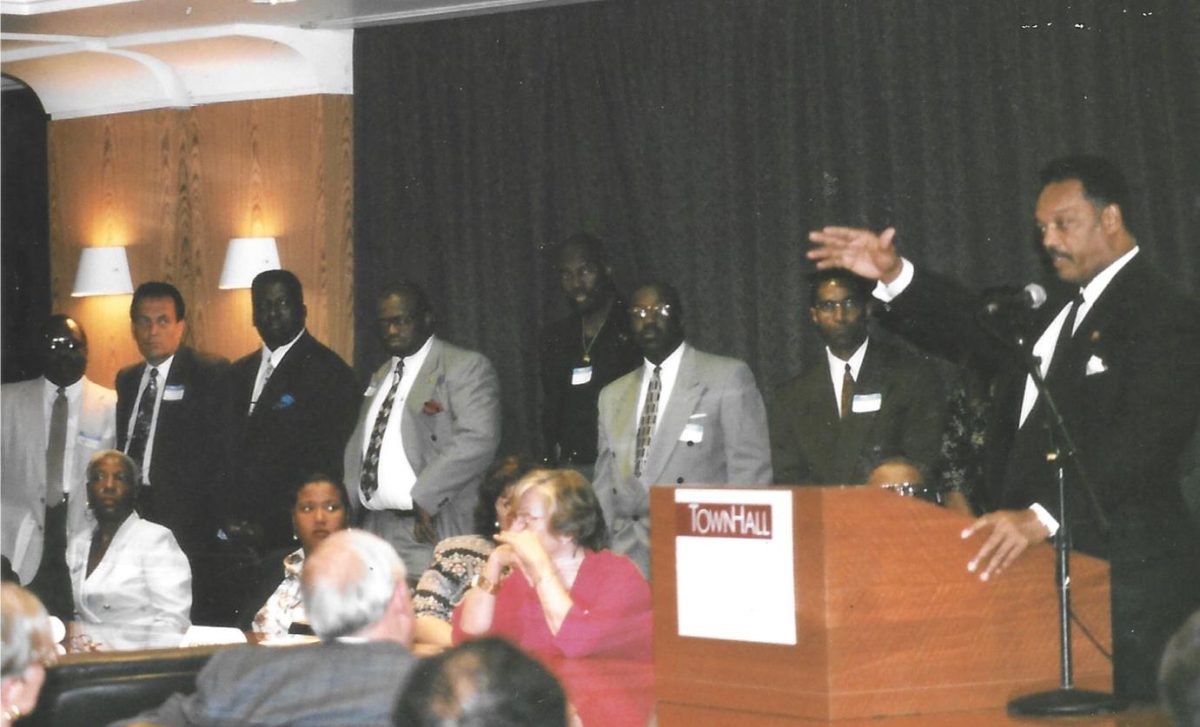
The Rev. Jesse Jackson speaking at a TownHall Los Angeles. Photo by Gloria Zuurveen.
Like Abraham advocating for Lot, he negotiated for those trapped in systems of injustice. Whether in American boardrooms or international crises in places like Iran and Kosovo, if someone needed Jesse, he would go. And he went not as a tourist, but as a representative of conscience.
Through the Rainbow PUSH Coalition, he moved the struggle from protest to policy, from march to marketplace. He called corporations to account. He challenged companies benefiting from government contracts to reinvest in the very Black communities whose dollars and labor sustained them. He understood that civil rights without economic access is incomplete.
He called a spade a spade when it came to economics for the least of these.
He helped many rise from their knees into tangible economic realities.
Years later, after I had founded PACE NEWS, I would see him not as a distant voice from Mississippi, but as a presence in the same room. It was at a Black Business Association luncheon in Los Angeles. The room was filled with dignitaries and leaders, and among them was Earl “Skip” Cooper, founder of the Black Business Association, instrumental in bringing Rev. Jackson to speak on economic empowerment for Black communities.
There he was — boots still on the ground, message still sharp, cadence still commanding.
He spoke about corporate responsibility. About procurement. About ensuring that government-funded entities give back to the communities that help generate their wealth. The same fire that reached me in Mississippi was now speaking to business leaders in Los Angeles.
He was first in many powerful changes that came after the Civil Rights Movement, when so many of its leaders had been silenced or taken from us. He did not retreat. He did not soften the truth to fit comfort. He remained a voice of resistance and relevance.
He ran for President — and came close enough to expand the political imagination of this country. History will record that he was almost our first Black President. Whether crowned or not, he forced the nation to see what had long been denied: that Black leadership at the highest level was not a fantasy but a fact waiting to be recognized.
Yet beyond campaigns and conventions, he knew how to celebrate community.
Each year at the Hilton Hotel in Beverly Hills, his birthday was marked not just with ceremony but with symbolism. A giant cake. A room full of leaders. And Rev. Jackson cutting slices and sharing them. It was more than a party. It was a picture: success shared is success multiplied.
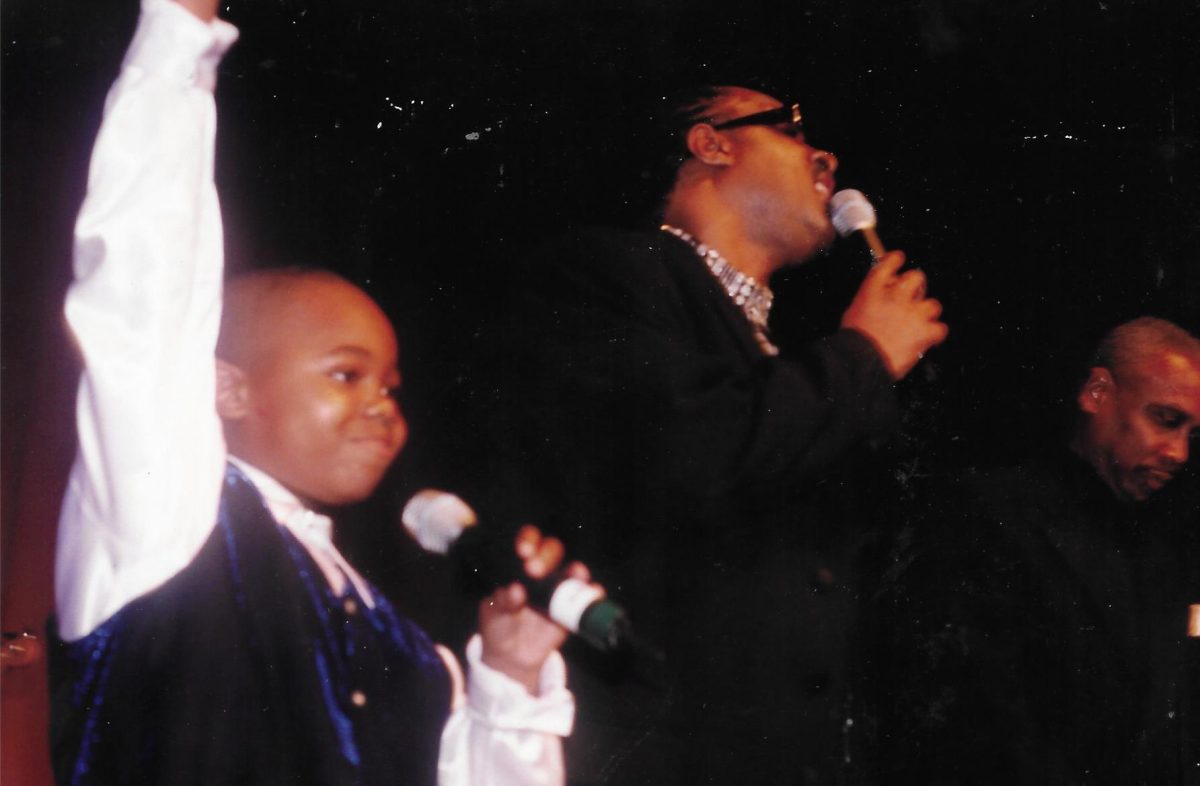
One of Rev. Jesse Jackson mentees singing along side Stevie Wonder and Tavis Smiley during one of Rev. Jackson’s birthday parties held at the Beverly Hilton In Beverly Hills, California. Photo by Gloria Zuurveen
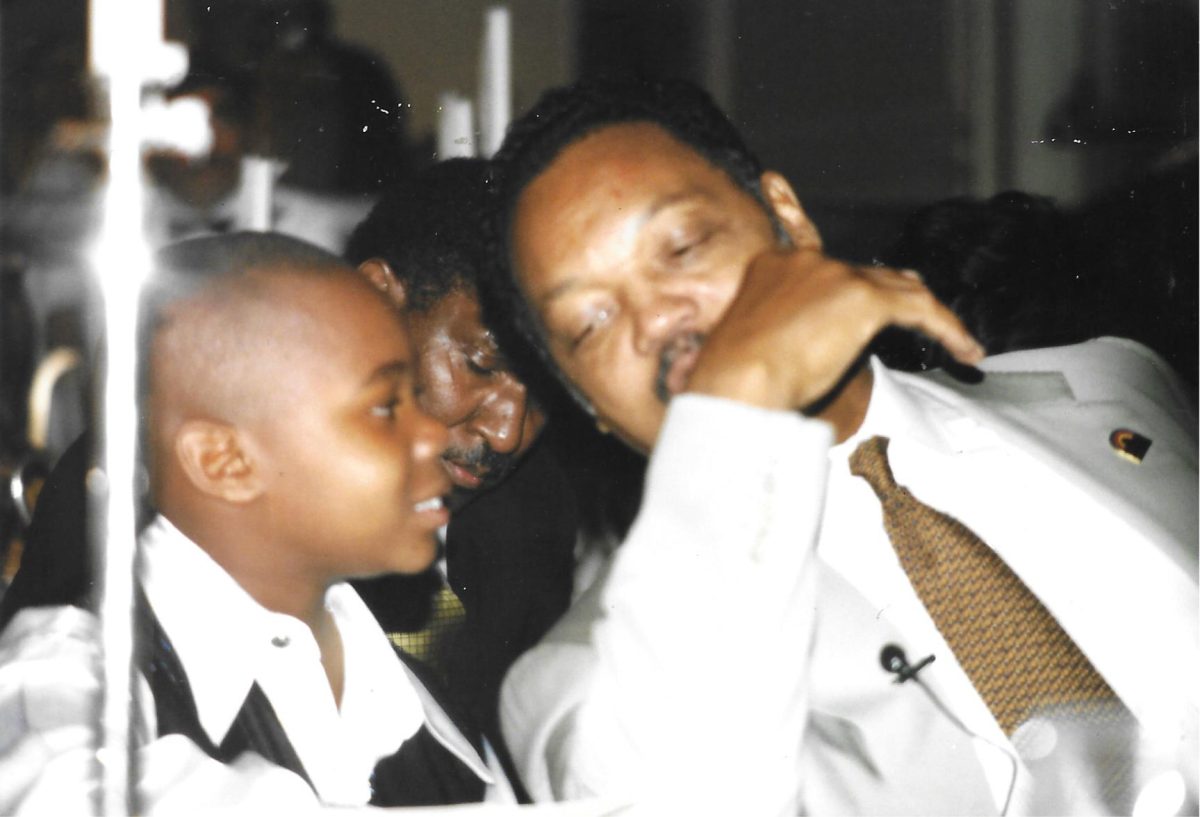
Rev. Jesse Jackson’s mentees speak with him as head of the Beverly Hills-Hollywood branch of the NAACP leader Willis Edwards listens
in the background during one of Rev. Jackson’s birthday celebrations at the Beverly Hilton in Beverly Hills, California. Photo Gloria Zuurveen
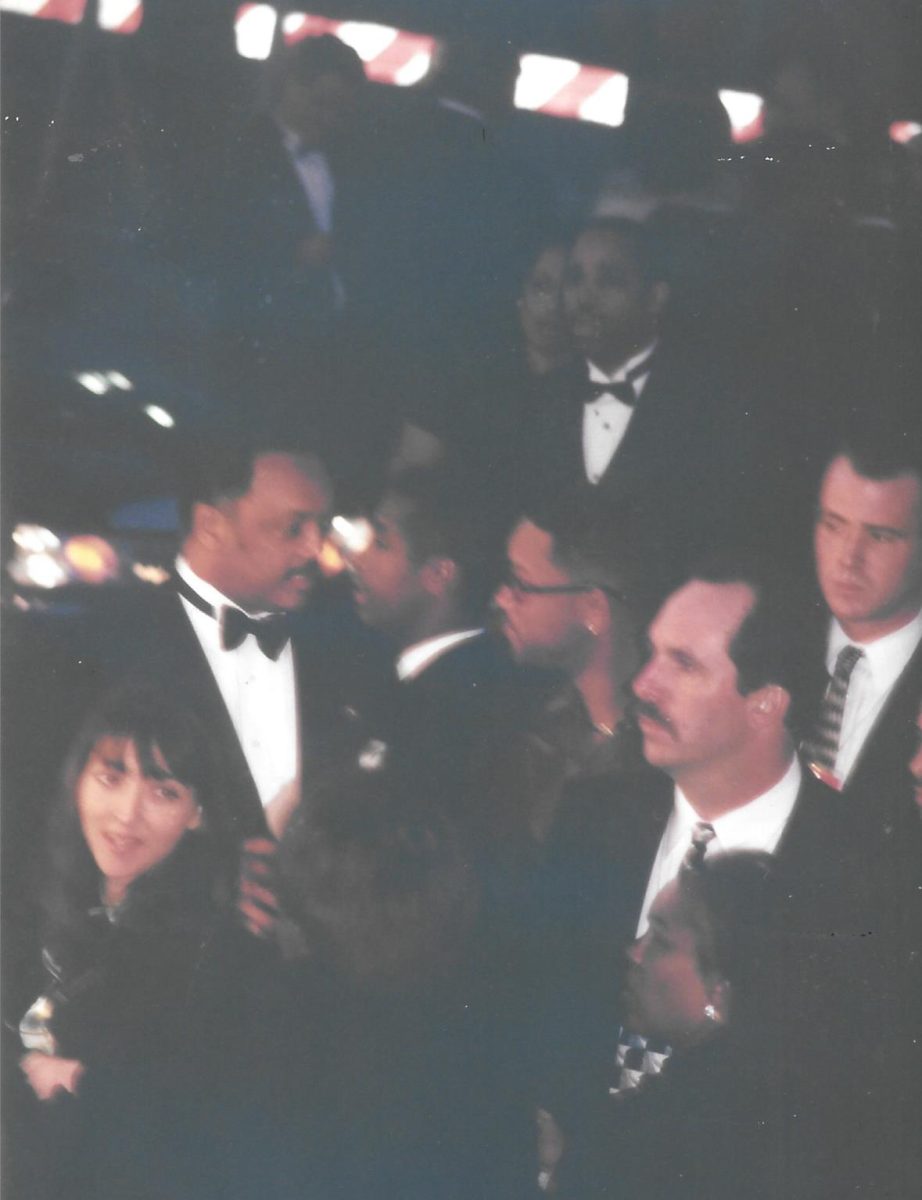
Rev. Jesse Jackson speak with Will Smith.Photo by Gloria Zuurveen.
When Rainbow PUSH came to town, power was in motion.
From the shadow of the Lorraine Motel balcony to the world stage, Rev. Jesse Jackson carried light. And in times when darkness felt prevalent and injustice seemed pure, he spoke truth — the Southern Truth — to woman, boy, girl, and man.
As I sat in Mississippi hearing the news of his passing, I thought about that young girl in Senatobia who dared to believe she was somebody because a preacher from Chicago said so. I thought about the newspaper I would one day build. I thought about the courage it takes to speak boldly in the face of opposition.
Before Los Angeles, before PACE, before platforms and print, there was a voice saying: You are somebody.
Rev. Jesse Jackson was that voice.
And for this Black Mississippian who grew up listening, believing, and rising — his legacy is not abstract. It is personal.
He kept hope alive.
And because he did, so did we.
Rest well, Reverend.
The Southern Truth remembers.
4 Comments
Leave a Comment
Related Posts





I excellent capture of the Mighty Lion. Well done…
Wow this is beautiful thank you so much for sharing and I will pass this on to the young people
Thank you Gloria for making Reverend Jackson’s life story real through the lens of a sister from the South, amplified by his influence on admirers and observers in LA. This is the tribute Reverend Jackson richly deserves. We are the lucky ones to have witnessed his servant leadership in person. And most importantly, to have been empowered by his message. Rest Jesse, rest.
Great job on both of your last two articles. You are very informed and keeping us enlighten.6