USC–ABC7 Debate Collapse Echoes Jim Crow-Era Gatekeeping in Modern Politics
 By Dr. Gloria Zuurveen
LOS ANGELES — The cancellation of the ABC7/USC gubernatorial debate was not a breakdown. It was a revelation.
A revelation of how power still operates—quietly, structurally, and often under the cover of respectability. We were told the debate would feature candidates selected through “objective criteria,” grounded in polling and fundraising—those so-called scholarly indicators of “viability.” Scholars rushed to defend the methodology. Institutions stood behind it.
But the people pushed back.
And in that pushback, something important was exposed: the system was never neutral to begin with.
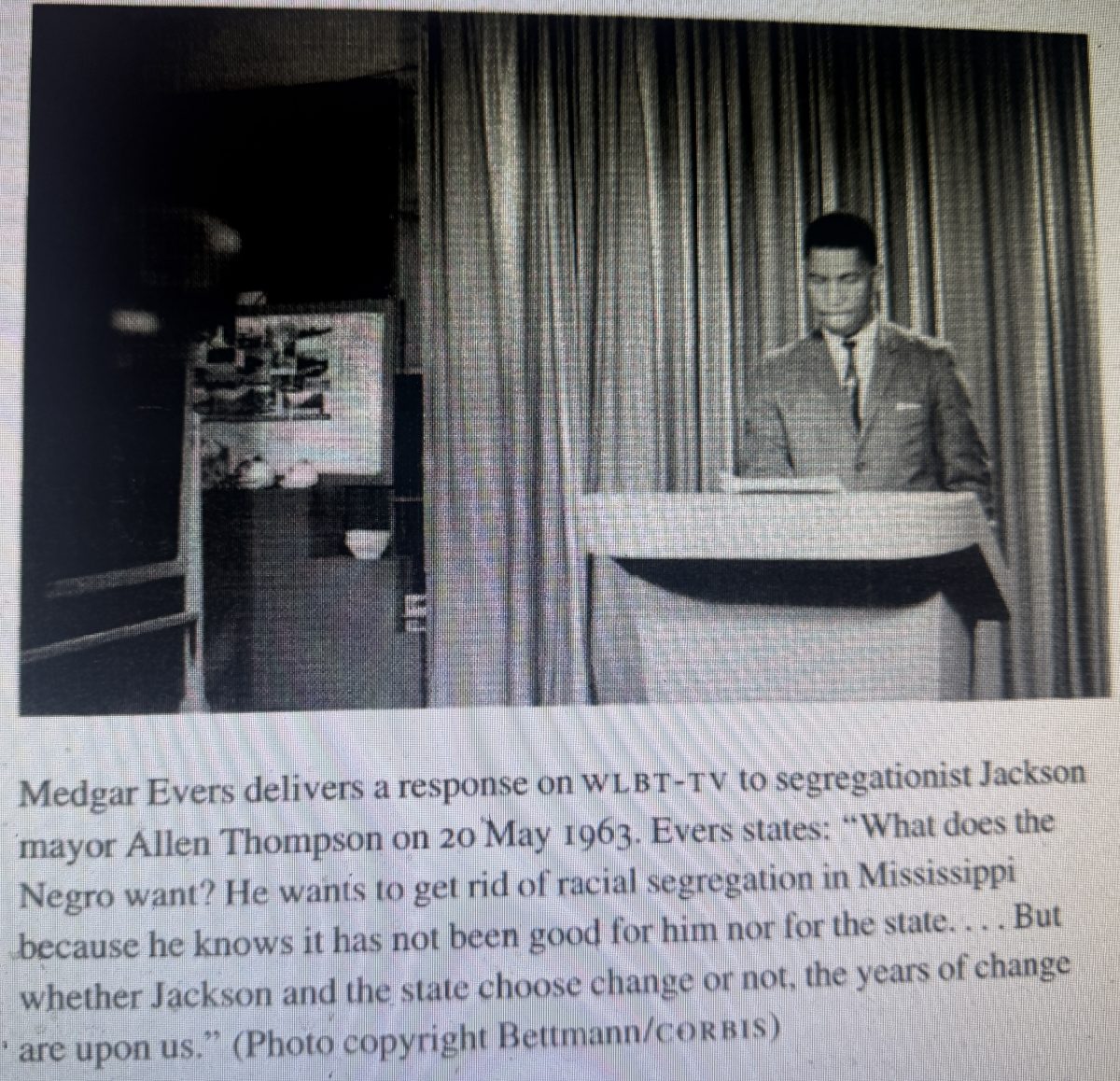
As I watched this unfold, I was reminded of historian Steven D. Classen’s account in Watching Jim Crow. He wrote of early television stations in Mississippi—WJTV and WLBT—being “aligned at their conception with white supremacist and segregationist interests,” operating in concert with a broader power bloc of business leaders, bankers, politicians, clergy, and law enforcement determined to suppress Black advancement.

That was 1953.
But here we are in 2026, and while the language has evolved, the structure feels strikingly familiar.
Back then, exclusion was overt.
Today, it is embedded.
Back then, it was enforced through segregation.
Today, it is justified through “methodology.”
We are told the criteria are scholarly.
We are told the data is sound.
But I ask the question that must be asked:
What if the polling itself is not neutral?
Because polling does not emerge from thin air. It reflects who has been seen, who has been funded, who has been given access to platforms. It reflects visibility—not necessarily capability.
And when those numbers are used to determine who gets to stand on a debate stage, they do more than measure reality.
They shape it.

This is where the warning from scholar Ruha Benjamin becomes essential. In Race After Technology, she asks a simple but powerful question: “So, are robots racist?”
Her answer disrupts the comfortable assumption that bias must be intentional. Too often, we believe racism only exists where there is explicit harm—white hoods, slurs, open discrimination. Even critics argue that machines cannot be racist because they lack intention.
But Benjamin makes it clear: systems do not need intention to produce unequal outcomes.
Bias can be embedded in design.
It can be carried through data.
It can be scaled through technology and then defended as neutral.
And that is exactly what we are seeing.
The methodology used to determine “viability” may not declare bias.
But it can still produce it.
Because when historically marginalized candidates—Black, Brown, and others outside traditional power structures—have not been given equal access to funding or media exposure, the numbers will reflect that imbalance.
Not because they lack leadership.
But because they were never given equal footing.
Coming from the thickets of Mississippi, I do not speak about this as theory.
I speak from history.
Because we have seen systems labeled as “objective” before—systems that were anything but fair. Systems that aligned with the status quo while claiming neutrality. Systems that used numbers, language, and institutional authority to justify exclusion.
So when I hear that this debate was structured using “widely accepted scholarly practices,” I must say plainly:
Acceptance does not equal justice.
Tradition does not equal fairness.
And scholarship—when detached from lived reality—can become a tool of exclusion rather than a pathway to truth.
Let us also be clear about what this moment represents.
This is not about diversity as a slogan.
This is not about DEI as policy language.
This is about real diversity—the kind that God created. The kind rooted in lived experience, in struggle, in voices that have long been pushed to the margins of power.
Black people. Brown people. Indigenous people. Communities who have historically been at the bottom when it comes to access—not because of lack of ability, but because of systemic barriers. That is the diversity democracy requires. So when a major university and a major media institution attempt to curate a debate stage that filters out those voices, we must call it what it is.
Not an oversight.
Not a miscalculation.
But a reflection of a deeper problem.
Because what is being said—without being said—is that some voices are viable…
…and others are not.
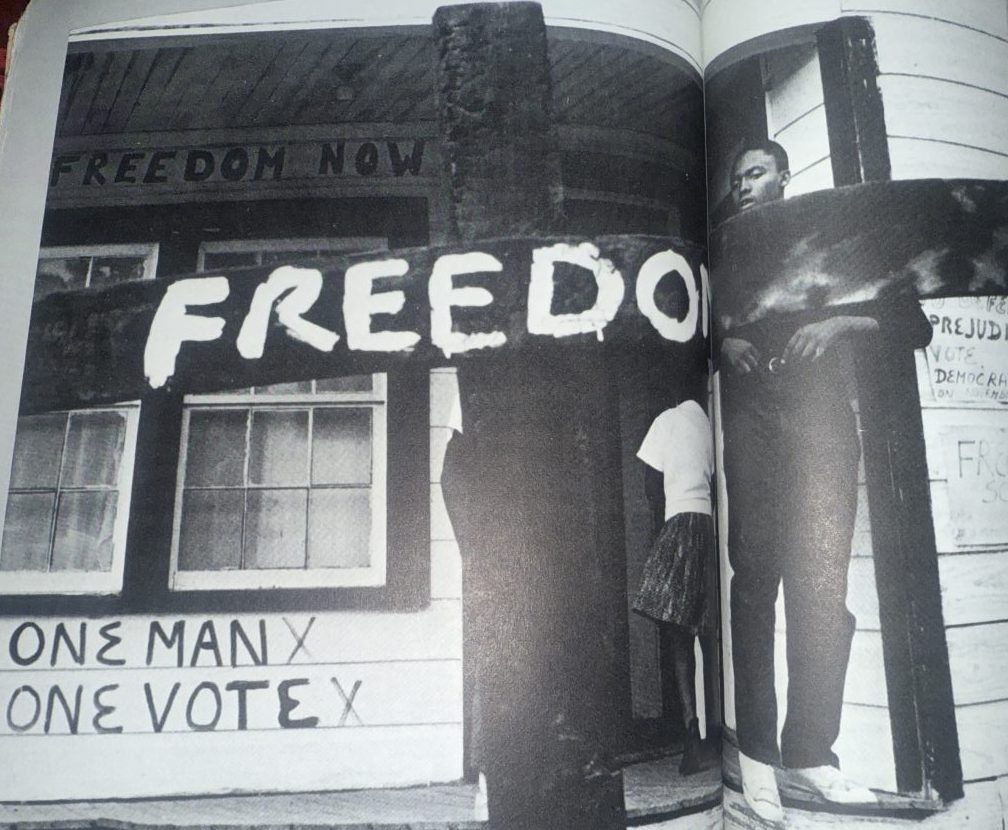
In Mississippi, several civil rights groups joined under the organizational name COFO (Council of Federated Organizations) to work for voting rights. Photo from Eyes On The Prize by Juan William.
And let us not ignore the modern layer of this issue.
In an era where data, algorithms, and even artificial intelligence shape decision-making, we must ask:
Who builds these systems?
Who inputs the data?
Who defines the thresholds?
Because when bias is embedded into systems and then scaled, it does not disappear.
It becomes harder to see—and easier to defend.
Let me be direct.
This is not democracy.
This is a mockery of democracy.
Because democracy does not pre-select who the people are allowed to hear. It does not narrow the field before the public has a chance to engage. It does not hide behind formulas to justify exclusion.
Democracy trusts the people.
Black America understands this deeply.
We carry the scars—psychological, mental, physical, and spiritual—of systems that have historically determined our place based on standards we did not create and were never meant to meet.
So when we see a system that echoes that past, even in a polished, academic form, we recognize it.
And we speak.
The cancellation of this debate was not failure.
It was correction.
It was the result of voices rising up—candidates, communities, and citizens—refusing to accept a filtered version of democracy.
But the deeper issue remains.
Because the problem was never just the debate.
It was the mindset that made such a structure possible.
If this nation truly believes in democracy, then let the candidates speak.
Let the people hear them.
Let the voters decide.
Not the pollsters.
Not the gatekeepers.
Not the institutions protecting their version of order.
Closing
Because the Southern Truth is this:
From Jim Crow airwaves to algorithm-driven methodologies, the tools may change—but when systems decide in advance who is “viable,” what they are really deciding is who gets to be heard.
And when the people must protest just to be included in the conversation, that is not democracy—
that is control.
Related Posts