The Southern Truth: Becerra, Bianco, Hilton, Mahan, Porter, Steyer, Thurmond and Villaraigosa Cannot Ignore California’s Fire While Pointing to the Smoke in the South

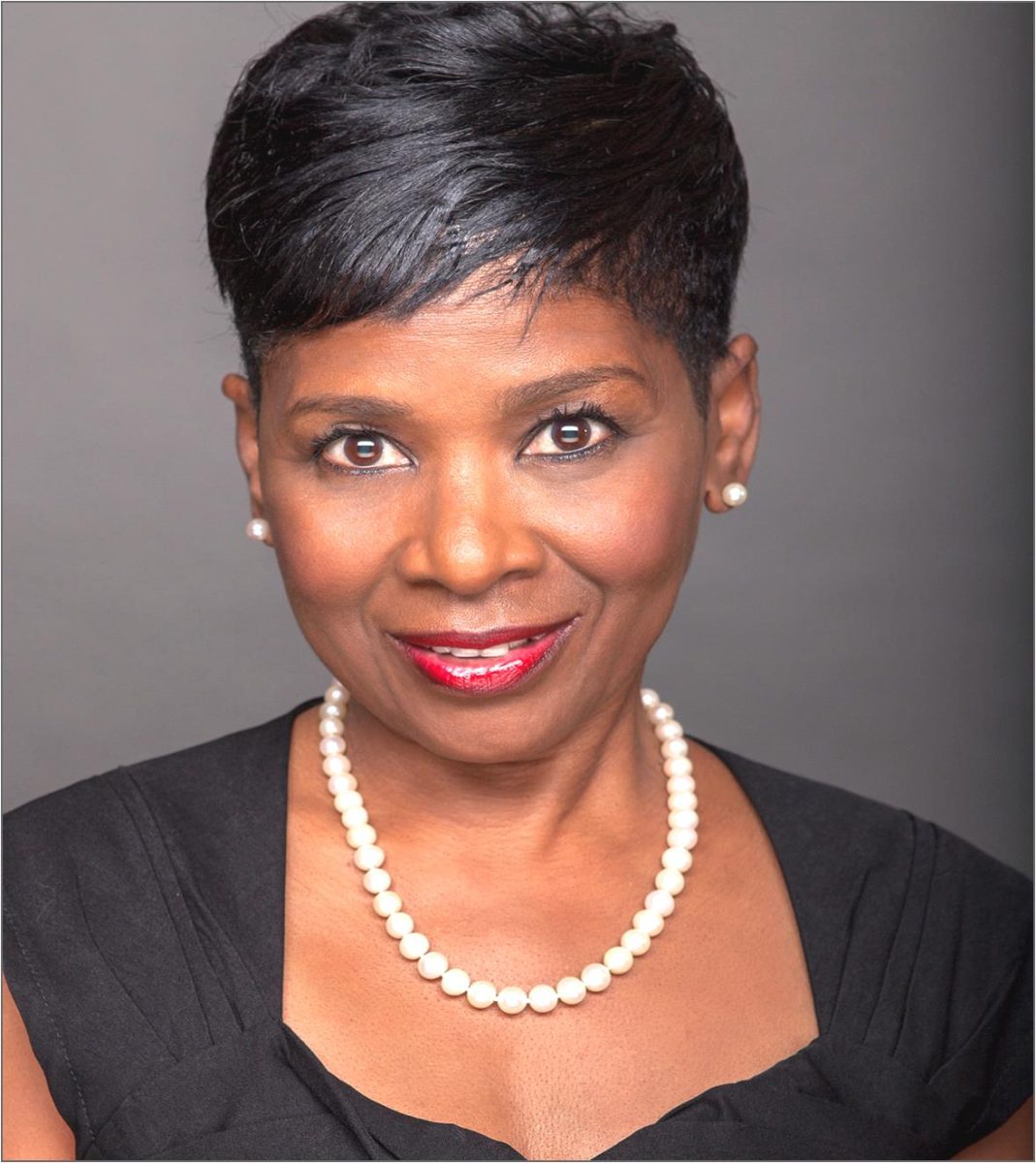 By Gloria Zuurveen, Editor-in-Chief
With all the attention turned toward the Supreme Court’s actions across the South—where decisions continue to shape voting rights, access, and the fragile framework of equality—it would be easy, almost convenient, to believe that the struggle for justice lives somewhere else. But the truth does not recognize geography, and Southern California is now standing in its own moment of reckoning.
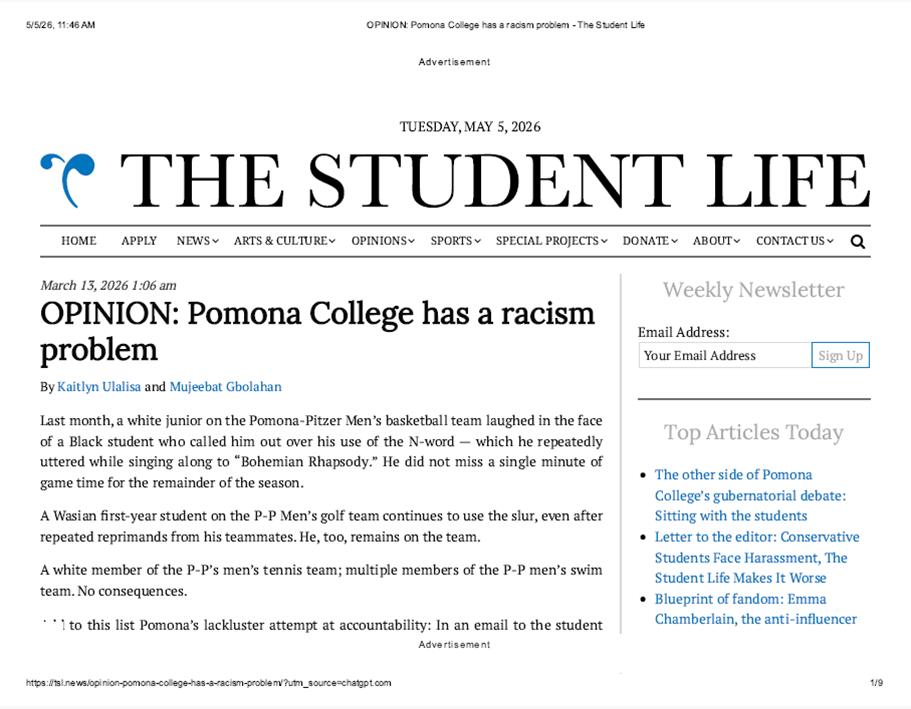
The incidents at Pomona—where Black students have endured racial slurs shouted in dorms and at athletic events, degrading behavior dressed up as social activity, and even the reported use of the N-word within the classroom—are not just troubling accounts; they are evidence of a climate that has been allowed to persist. Students have made it clear that these are not isolated moments but part of a pattern that has eroded trust and sense of belonging on campus. When institutions respond with measured language and prolonged processes while students continue to experience harm, the message received is not one of protection, but delay.
That is not progress—it is avoidance dressed in policy.
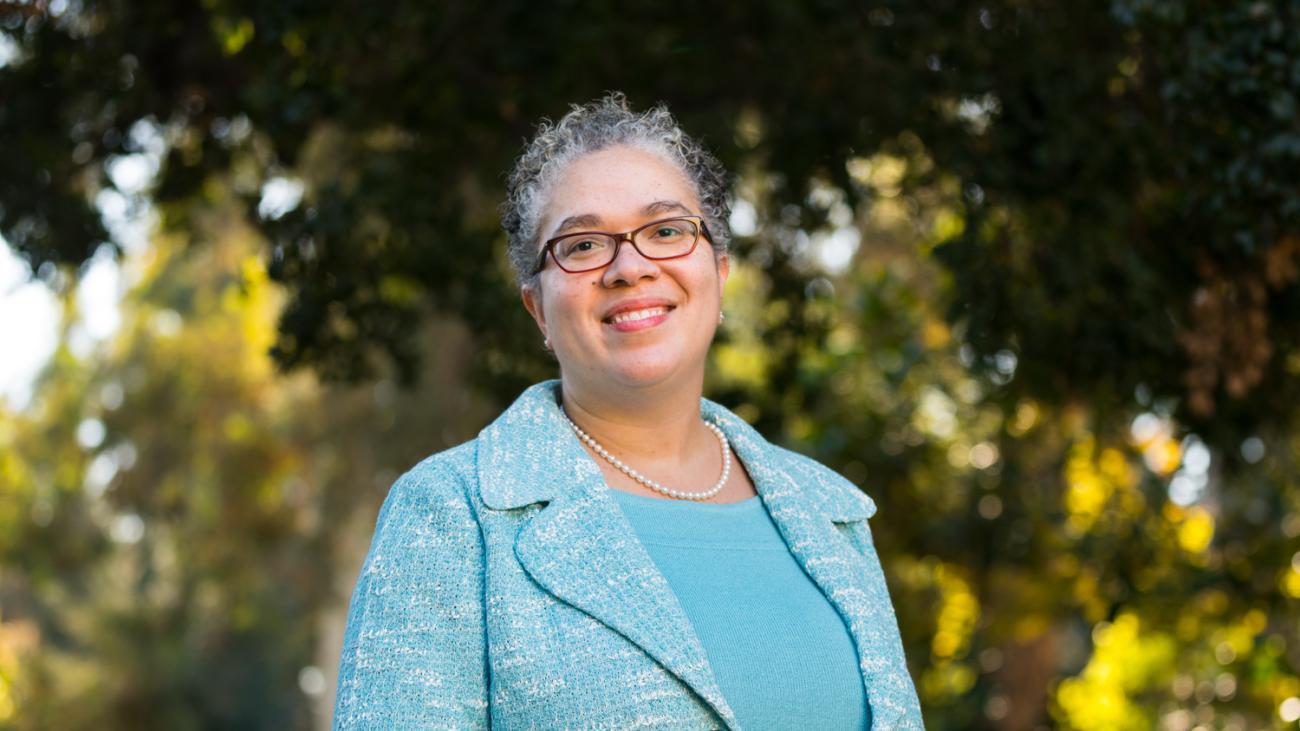
Pomona College President G. Gabrielle Starr
What followed only deepened the concern.
On that same campus, under the lights of a gubernatorial debate, candidates stood before the public speaking about leadership and the future of California, yet not one addressed the racial climate surrounding them.
Not one acknowledged the documented incidents or the lived experiences of Black students in that very environment. Even with a respected Black journalist present as part of the broadcast, the silence remained intact. And when truth is present but ignored, silence becomes more than absence—it becomes complicity.
This is where the connection to the broader political landscape becomes unavoidable.
While the Supreme Court reshapes rights in the South, California is confronting its own challenge—not always the absence of law, but the absence of will. The reluctance to confront uncomfortable truths. The tendency to move past what is inconvenient. The quiet overlooking of a constituency that has long been expected to show up at the ballot box, even when it is not fully seen on the stage.
That kind of oversight is not just political miscalculation—it is a failure to understand the moment.
Now, the moment has shifted from observation to action.
The stage has been set at WePlay Studios.
Invitations have been extended through a deliberate selection process to the candidates named above—an opportunity to appear and speak directly to voters in Inglewood and surrounding communities on Sunday from 4:00 to 6:00 PM.
This is not an abstract audience. This is a living, breathing electorate—families, workers, young people—who are paying attention and preparing to make a choice in a crowded race for leadership of the fourth-largest economy in the world.
To miss this opportunity will speak volumes—far more than what could be said by simply showing up and engaging in direct dialogue with the people whose votes are being sought. Because presence is more than attendance; it is acknowledgment. It is recognition. It is the willingness to stand in front of the community and be heard, questioned, and understood. And in this moment, that willingness matters.
What makes this moment even more critical is what the numbers are now revealing.
A recent poll reported by California Black media shows that Black voters in California remain largely undecided in the gubernatorial race, with nearly one-third—30%—still weighing their options. That number alone is not just a statistic; it is a signal that no candidate has yet secured the confidence of a decisive portion of this electorate. Among those who have made a choice, the support is scattered—Tom Steyer at 18%, Matt Mahan at 15%, Katie Porter at 13%, and Xavier Becerra at 9%, with Tony Thurmond and Antonio Villaraigosa trailing behind, and Republican candidates barely registering.
What this tells us is not who is winning—it tells us that no one is winning yet. The field remains open, fluid, and very much in play, especially among Black voters whose concerns around economic opportunity, housing, education, healthcare, and justice remain at the forefront.
And this is where the reality moves from theory to practice—because at press time, the response from one campaign speaks volumes.
The office of Sheriff Chad Bianco has indicated that he will be attending a scheduled event in Lake Arrowhead during the same window as The Southern Truth Governor’s Forum, and therefore will not be present before the voters in Inglewood and surrounding communities.
Now, let that be understood in its full context. A candidate found his way to Pomona College.
A candidate stood on that stage. But when invited to stand directly before Black voters—where the numbers show they are most undecided—the answer is absence. And the question must be asked plainly: what message does that send? Because in a crowded race, where every percentage point matters, where nearly one-third of Black voters are still deciding, this is not simply a matter of scheduling—it is a matter of priority. There is still time. There is still space to make a decision that reflects the seriousness of this moment. And when a candidate is seeking to lead a state as vast and complex as California, engagement cannot be selective. This is not the hour to overlook the Black community. This is not the hour to assume the vote. This is not the hour to appear where it is comfortable and avoid where it is necessary. Because voters are not only listening—they are measuring. They are measuring who shows up.
They are measuring who speaks. And they are measuring who remains silent.
The Southern Truth Governor’s Forum is not just an invitation—it is a moment.
Miss it… and you may very well be missed.
This is The Southern Truth.