The Southern Truth: Is There a Balm in Senatobia?
 By Dr. Gloria Zuurveen, Editor-in-Chief
“A change is gonna come.”
Those words made famous by Sam Cooke have echoed through generations of people who believed that pain was not the final chapter, that darkness would eventually give way to light, and that communities wounded by tragedy could one day be made whole again.
Today, Senatobia finds itself standing at such a moment.
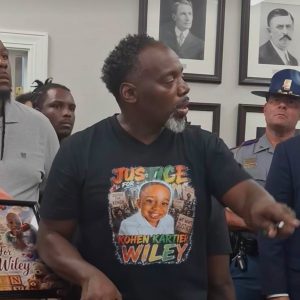
The death of one-year-old Kohen Wiley has pierced the heart of this community. The pain is real. The grief is real. The questions are real. The tears of a family and a community continue to flow as people search for understanding, accountability, and justice.
Yet history teaches us that sometimes the greatest movements for change begin in moments of heartbreak.
The death of a child has become the kindling that now burns in the hearts and souls of us who mourn. The tears we shed cannot bring Kohen back, but they can water the seeds of change. They can compel us to seek truth, demand accountability, embrace transparency, and ultimately find the balm needed to heal a wounded community.
The prophet Jeremiah asked:
“Is there no balm in Gilead; is there no physician there? Why then is not the health of the daughter of my people recovered?” (Jeremiah 8:22)
That question, first asked thousands of years ago, echoes across Senatobia today.
Where is the healing?
Where is the balm?
Where is the restoration for a community carrying so much pain?
Perhaps the answer begins with truth.
Perhaps it begins with transparency.
Perhaps it begins with accountability.
For there can be no lasting healing without trust, and there can be no trust without truth.
The tragedy surrounding Kohen Wiley has also caused many residents to revisit concerns that have existed in Senatobia for years.
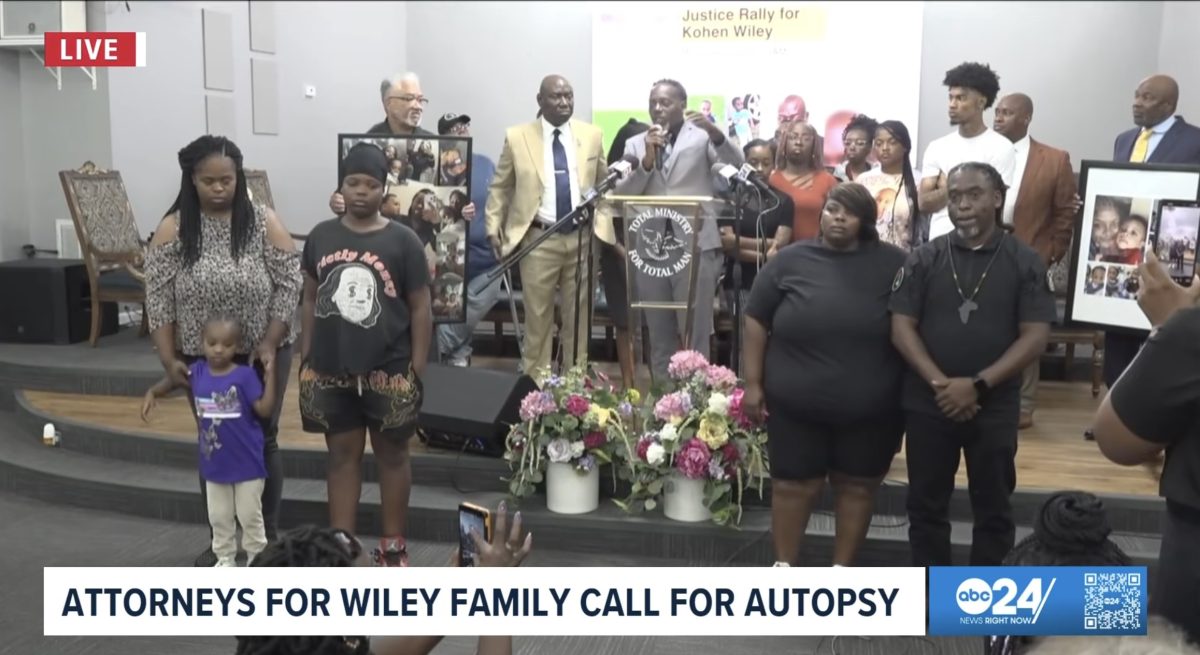
Recently, community activist Patrick Alexander stood alongside renowned civil rights attorney Ben Crump and several families who have publicly voiced concerns about their encounters with law enforcement and the justice system. During a press conference, they shared their experiences and called attention to what they believe are longstanding issues involving policing, accountability, transparency, and equal treatment under the law in Senatobia and Tate County.
PACE NEWS has reported on many of these matters over the years.
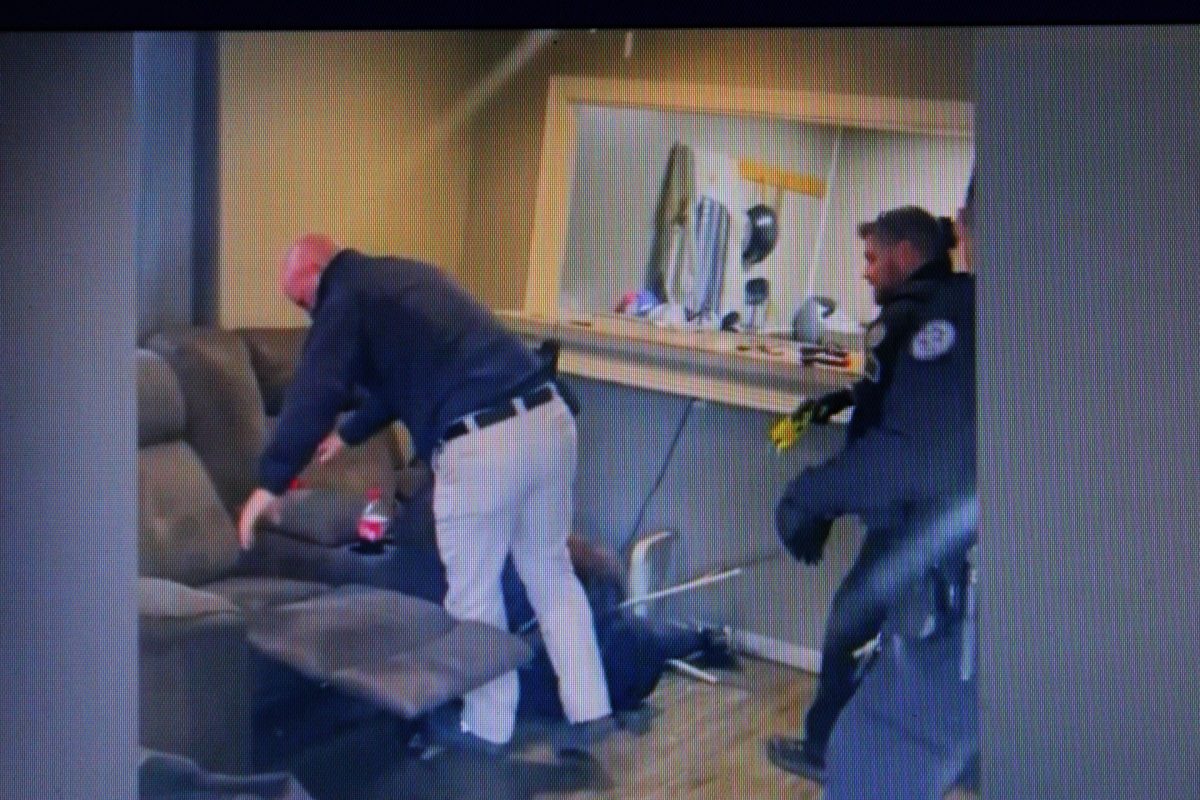

Young man left like this after being arrested in Senatobia, Mississippi. Photo submitted.

Three 15 year old teens Judge Leigh Ann Darby ordered to jail, stripped searched and drug tested after allegedly walking through a neighbor’s yard in Senatobia. Photo from Youtube.com

Quantavious, the 10 year old, who were jailed for peeing in parking lot in Senatobia, Mississippi.

Mark Lesure and Patrick Alexander during a press conference Photo captured by Gloria Zuurveen/PACE NEWS
The important question is not whether every allegation is ultimately proven true.
The important question is why so many people believe they have a story to tell.
When one person speaks out, it may be dismissed as an isolated complaint.
When multiple families come forward over multiple years, a community begins to ask whether deeper issues exist that require attention.
That is why transparency matters.
That is why accountability matters.
That is why trust matters.
Trust is not built by demanding silence.
Trust is built when facts are openly examined.
Trust is built when institutions are willing to answer difficult questions.
Trust is built when leaders understand that accountability strengthens public confidence rather than weakens it.
The people of Senatobia deserve confidence in their government.
They deserve confidence in their courts.
They deserve confidence in their law enforcement agencies.
Such confidence cannot be demanded.
It must be earned.
Yet even amid the grief and controversy, I recently witnessed something that gave me hope.
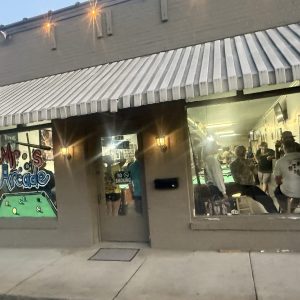
One day after tragedy struck, the lights were still on at Mr. T’s Arcade in downtown Senatobia.
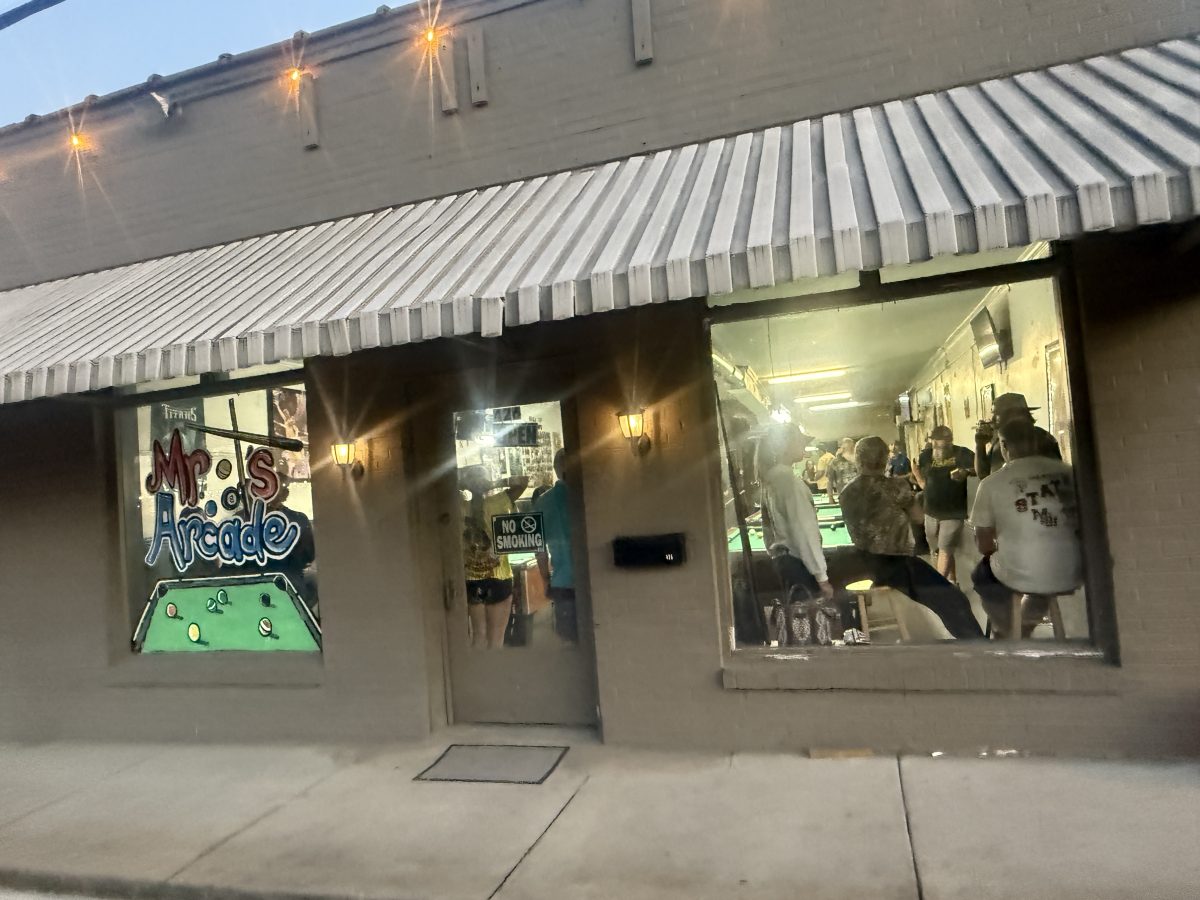
Inside, members of the American Poolplayers Association gathered around pool tables. Friends laughed together. Teammates encouraged one another. Players waited their turn while others kept score. People from different backgrounds occupied the same room and shared the same fellowship.
The photographs from that evening tell a story all their own.
Not a story that ignores pain.
Not a story that dismisses grief.
Not a story that suggests justice is no longer necessary.
But a story that reminds us that healing remains possible.
What I witnessed at Mr. T’s was more than a pool competition.
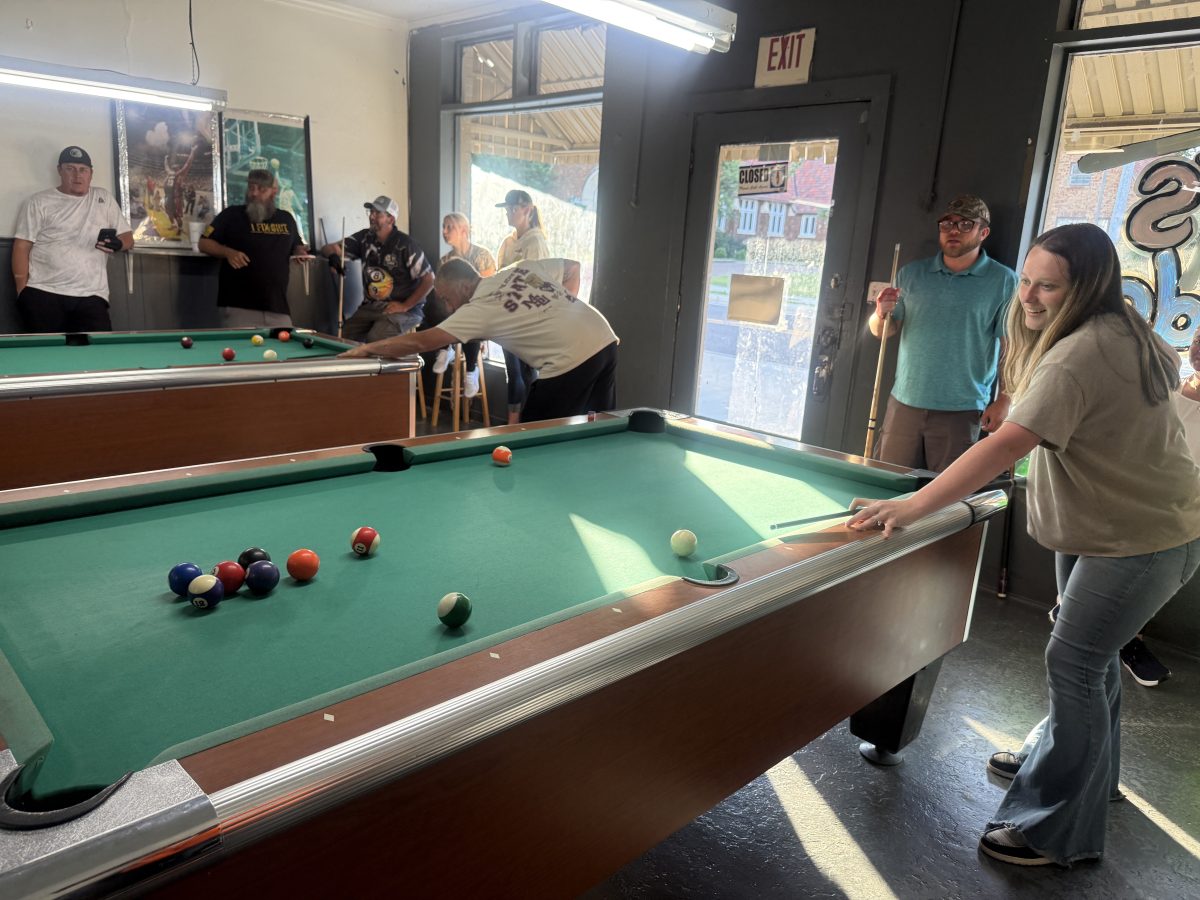
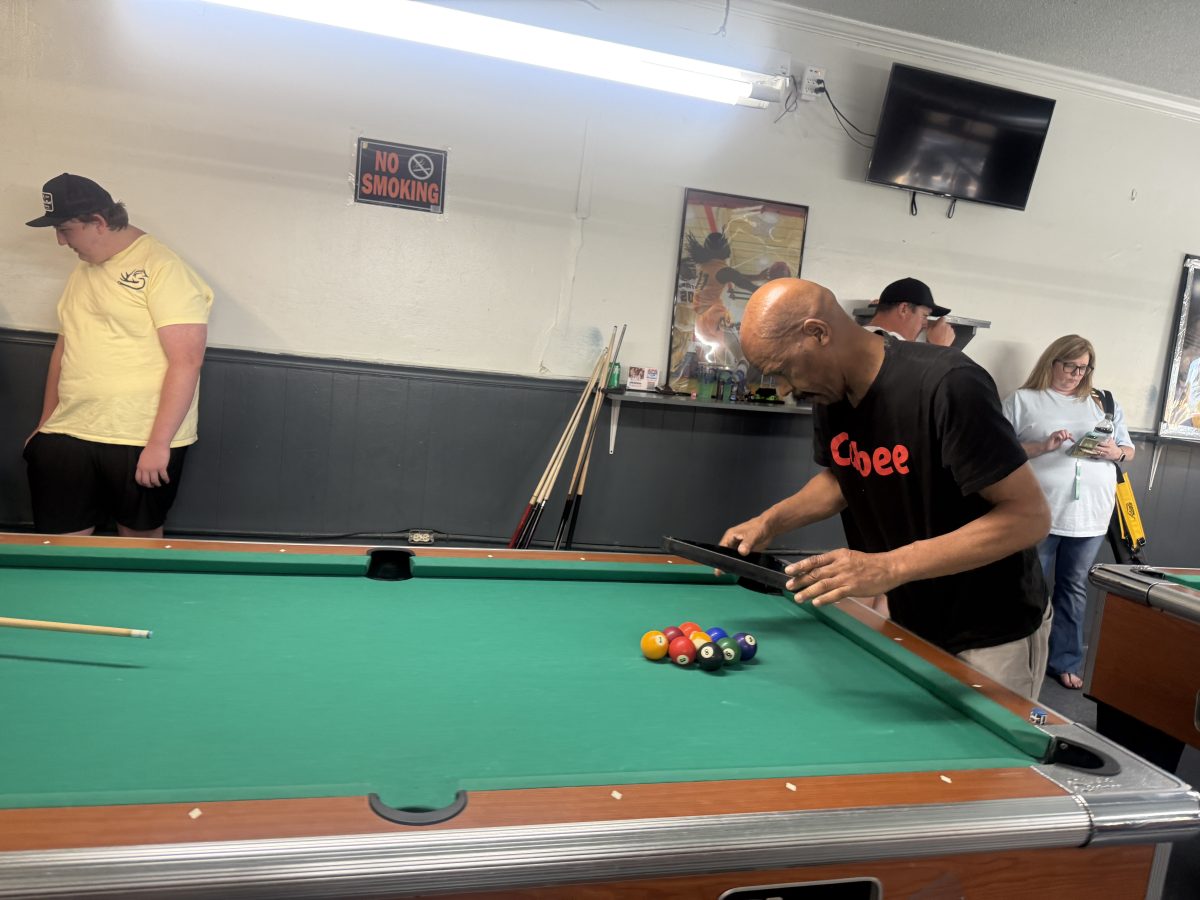
It was community.
It was fellowship.
It was unity.
It was a reminder that even in difficult times, people can still gather together without surrendering their humanity.
One of the most inspiring conversations I had that evening was with Cindy Neal, who shared how she became involved in APA competition back in 2002 after a friend simply invited her to come hang out and play pool.
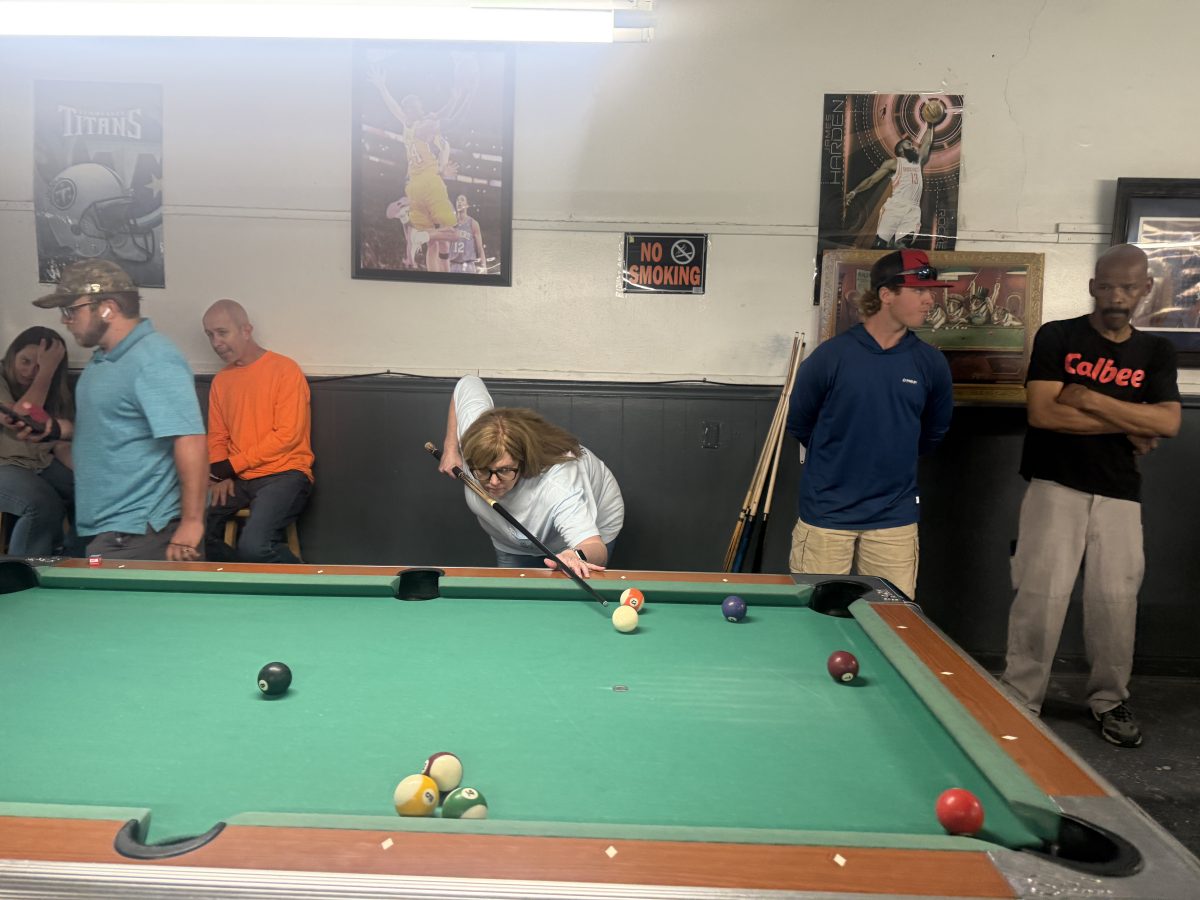
A simple invitation became a lifelong connection.
Over the years, those friendships grew into a community of players who not only compete together but also give back together. Cindy shared that local APA members have raised an estimated $160,000 to $180,000 for St. Jude Children’s Research Hospital in Memphis.
Think about that.
A group brought together by a game has raised well over one hundred and fifty thousand dollars to help children and families facing some of life’s greatest challenges.
That says something about the people involved.
It says this community already possesses many of the qualities necessary to heal itself.
Compassion.
Generosity.
Commitment.
Community.
The late civil rights leaders understood something that we sometimes forget.
Healing often begins not in a courtroom, not at a podium, and not on social media.
Healing often begins when people simply spend time together.
That does not mean accountability is abandoned.
It does not mean difficult questions are ignored.
It does not mean justice becomes less important.
It simply means that while pursuing justice, we must also preserve community.
Senatobia must find a way to do both.
The family of Kohen Wiley deserves compassion.
The community deserves answers.
The pursuit of truth deserves diligence.
Justice must be allowed to follow its course wherever the facts may lead.
As I look back at the photographs from Mr. T’s Arcade, what stays with me is not who won the match.
It is the image of people standing together.
Friends gathered around pool tables.
Neighbors talking to neighbors.
People choosing fellowship over division.
The lights of this Five-Star City have been dimmed by grief, but they have not gone out.
In the hearts of us who mourn burns a fire that seeks truth, demands accountability, and longs for justice. If we walk together in unity rather than division, Senatobia can once again let its light shine—not because tragedy never came, but because a community chose healing, truth, transparency, accountability, and justice over darkness.
The family of Kohen Wiley deserves compassion.
The community deserves answers.
The pursuit of truth deserves diligence.
Justice must be allowed to follow its course wherever the facts may lead.
For there can be no lasting healing without trust.
There can be no trust without truth.
There can be no reconciliation without transparency.
And there can be no restoration without accountability.
The lights of this Five-Star City have been dimmed, but they need not remain that way. As hearts burn with grief and a community mourns together, let that sorrow become a catalyst for truth, transparency, accountability, and justice.
Then, and only then, can Senatobia rise from this painful moment and once again let its light shine for generations to come.
As Scripture reminds us:
“And the light shineth in darkness; and the darkness comprehended it not.” (John 1:5)
May that light guide Senatobia forward.
May that light reveal the truth.
May that light help heal the brokenhearted.
And may that light lead this community toward justice.
That’s The Southern Truth.