A Baby’s Death, A Community’s Questions: Senatobia Seeks Truth After Walmart Shooting

1-year-old Kohen Wiley killed by police in Senatobia, Mississippi on Sunday, June 14, 2026.
 The Southern Truth
By Dr. Gloria Zuurveen, Editor-in-Chief
SENATOBIA, Miss. — As communities across America celebrate Juneteenth and reflect upon freedom, justice, and equality under the law, the people of Senatobia, Mississippi, find themselves confronting a tragedy that has shaken this small North Mississippi town to its core.
A one-year-old child is dead.
His name was Kohen Wiley.
Kohen is a Hebrew name meaning “shining,” “radiant,” or “beaming.”
Today, his name is known across America because of a tragedy that began with a call from Walmart to the Senatobia Police Department regarding an alleged shoplifting incident and ended with a child losing his life. According to the Mississippi Bureau of Investigation, officers responded Sunday afternoon to an alleged shoplifting call at the Walmart located on Highway 51.
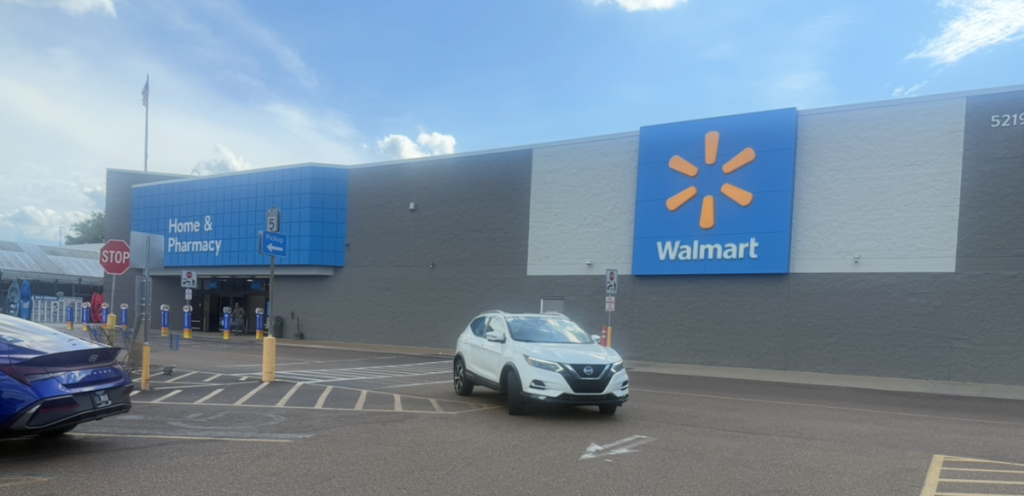
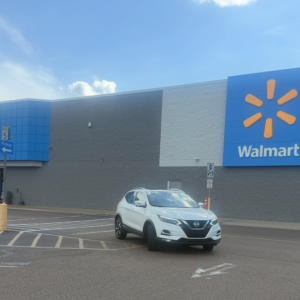
Front of Walmart in Senatobia, Mississippi where baby, Kohen Wiley was shot by Senatobia policeman. Photo by Gloria Zuurveen
State investigators say officers encountered individuals entering a vehicle and that an officer discharged a weapon during the encounter. Kohen Wiley later died from injuries sustained during the incident. Another occupant of the vehicle was seriously injured. The officer involved is reported to have been placed on administrative leave while the investigation continues.
Those are the facts currently acknowledged by authorities.
Yet for many residents, those facts alone do not answer the question that now hangs over Senatobia. How did an alleged shoplifting call end with a one-year-old child dead? I was visiting my hometown when the news spread throughout the community.
Like many others, I struggled to comprehend what I was hearing.
The next day, I went to the Walmart parking lot myself.
The patrol cars were gone.
The yellow tape had been removed.
But the questions remained.
The conversations taking place throughout Senatobia were not about politics.
They were not about elections.
They were not about sports.
They were about a baby.
Melvin Walker summed up what many residents were feeling when he said, “It is a shame they are now killing infants.”
Aunt Juanita’s reaction reflected the shock felt throughout the community.
“You mean to tell me the baby is dead? I thought he had been shot, but now you tell me he is dead. Lord have mercy.”
Lord have mercy, indeed.
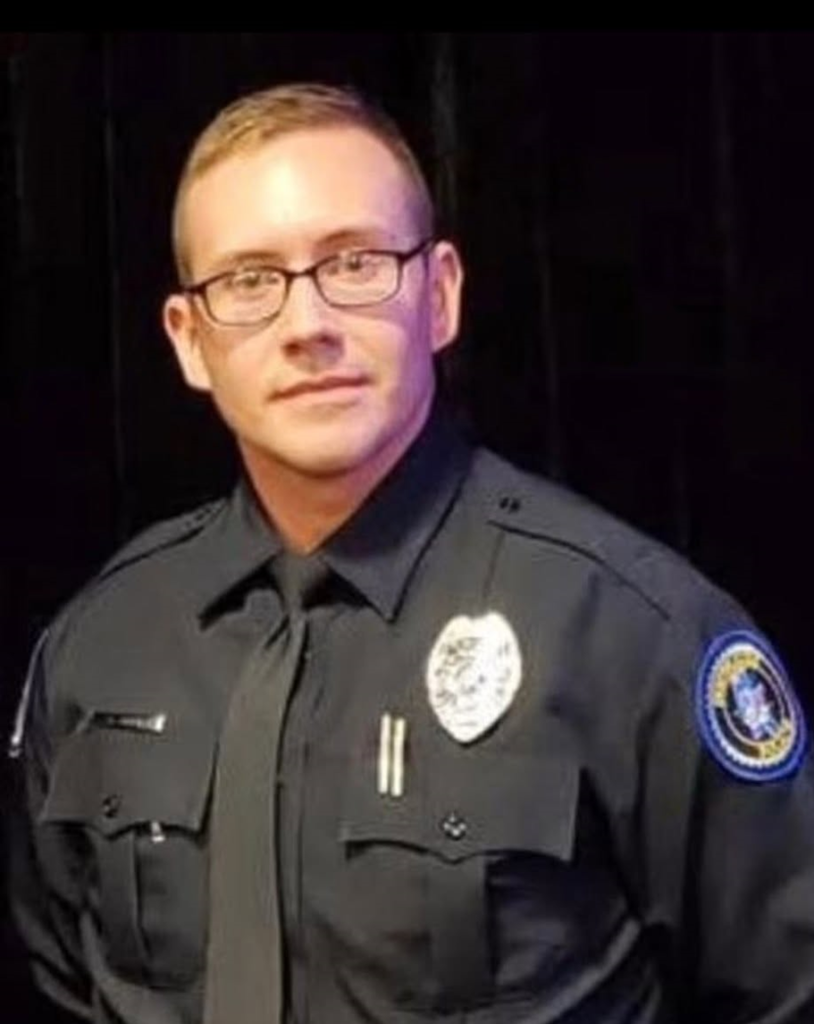
Police officer Hunter Foster is the alleged shooter and killer of Kohen Wiley in Senatobia at Walmart on Sunday, June 14, 2026. Photo credit: Linda Walker Facebook
Family members say Kohen was seated on his mother’s lap inside the vehicle when the shooting occurred.
What happened afterward is something that has gripped the hearts of people throughout Mississippi and beyond.
His mother spoke and said that she tried to let the police know that a baby was in the care by holding him up so they could see him and that is when the shots came through the window striking the baby and the driver of the car.
They drove to the nearby hospital where the baby was pronounced dead and the friends driving the car was in critical condition.
The diapers that reportedly brought the family to Walmart that afternoon can be replaced.
Kohen Wiley cannot.
The tragedy has drawn national attention.
Attorney Ben Crump has reportedly joined the legal team representing the family.
Yet many residents say this case is bigger than any attorney, bigger than any lawsuit, and bigger than any settlement that could someday be reached.
Some residents have expressed concerns that no amount of money can repair the damage done to a grieving family or heal the wound now felt throughout the community.
For them, this case is not simply about compensation.
It is about truth.
It is about accountability.
It is about healing.
And it is about ensuring that no other family experiences what the Wiley family is now enduring.
Patrick Alexander has emerged as one of the leading voices calling for justice, unity, and peace.
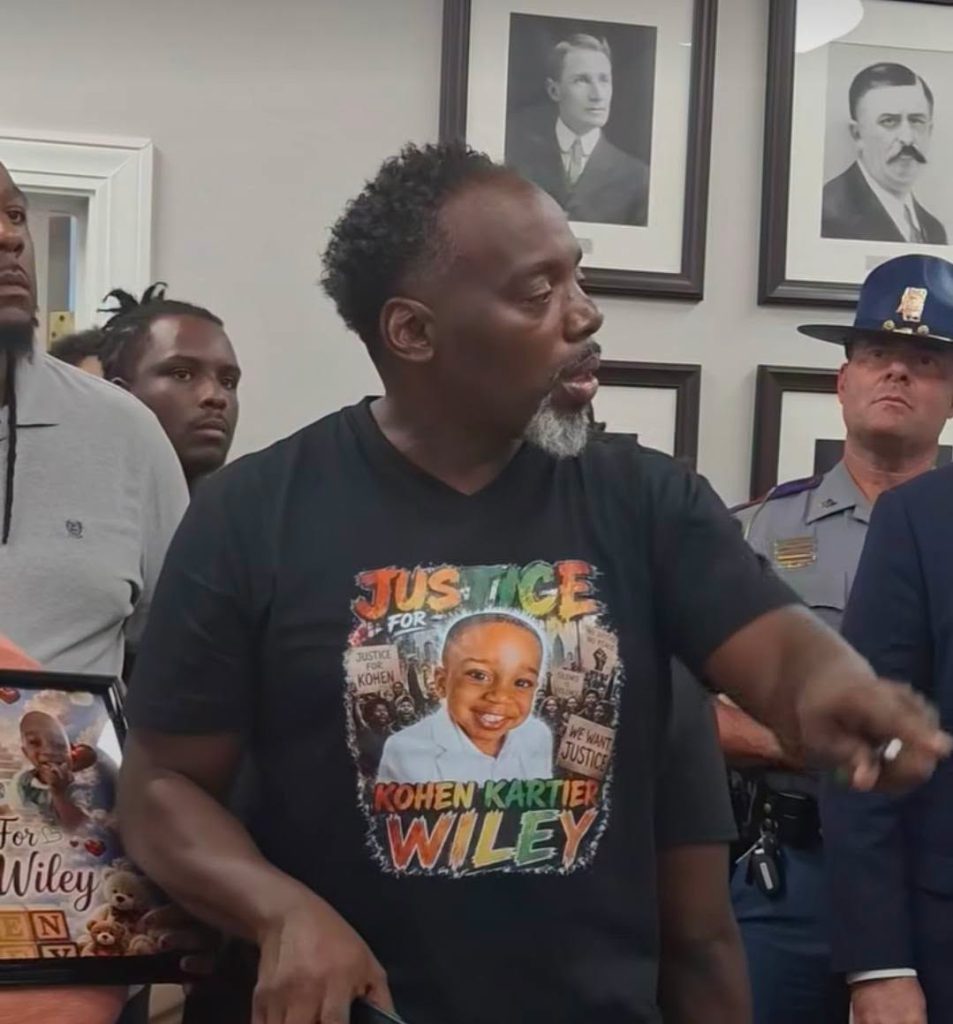
Patrick Alexander, community activist, speaking during city council meeting on Tuesday, June 16, 2026 in Senatobia. Photo captured from Patrick Alexander Facebook page.
Along with ministers, activists, and concerned residents, he has urged the community to remain focused and organized while demanding a full accounting of what occurred.
The movement growing in Senatobia is not being driven by anger alone.
It is being driven by questions.
Questions that many residents believe deserve answers.
Who made the original call to police?
Was it a Walmart employee?
Was it store management?
Was it a loss-prevention officer?
Was it another customer?
Who initiated the chain of events that ultimately brought law enforcement into contact with this family?
What information was given to dispatchers?
What information was provided to responding officers?
What evidence existed at the time?
What evidence exists now?
If a theft occurred, why has no arrest been publicly announced?
Has anyone been charged?
If not, why not?
What do the body-camera recordings show?
What do the dashboard-camera recordings show?
What do Walmart’s surveillance cameras show?
Do those recordings support the official account?
Do they support witness accounts?
Or do they reveal something entirely different?
The people of Senatobia are also asking broader questions about the relationship between large retailers and local law enforcement.
How often does Walmart call local police?
How frequently do alleged shoplifting incidents occur?
How many result in arrests?
How many result in force being used?
What policies guide those responses?
These are not accusations.
They are questions.
Questions that deserve answers because the consequences have been devastating.
The controversy intensified further after demonstrations outside Walmart led to confrontations between protesters and law enforcement.
Reports of tear gas being deployed against demonstrators have only deepened concerns among many residents who believe transparency is needed to restore trust.
But the questions facing Senatobia do not stop at Walmart, the Mississippi Bureau of Investigation, or the officer involved in the shooting.
They now reach City Hall.
Former Alderman Michael Cathey has raised concerns about the role elected officials play in overseeing the institutions entrusted with public safety. Cathey argues that accountability begins long before a tragedy occurs.

Michael Cathey
It begins with oversight.
It begins with scrutiny.
It begins with elected officials asking difficult questions instead of merely approving recommendations placed before them.
His comments have caused many residents to revisit public meeting records and consent agendas.
Some community members point to what they view as a pattern of routine approval votes on matters brought before the Board of Aldermen, including matters involving personnel and public safety.
To be clear, affirmative votes alone do not establish wrongdoing or negligence.
However, the death of a child has prompted citizens to ask whether the level of oversight being exercised is sufficient.
How are police officers vetted before being hired?
What review occurs regarding prior employment history?
Who asks the difficult questions before hiring decisions are approved?
Who reviews training standards?
Who evaluates policies governing use of force?
And if those questions are not being asked, who is protecting the public interest?
Many residents believe the community deserves more than routine approvals and automatic votes when matters involving public safety come before elected bodies.
They believe oversight means more than saying yes.
It means examining records. It means reviewing policies.
It means understanding who is being hired, how they are being trained, and whether systems are in place to protect the public before tragedy strikes.
The death of Kohen Wiley has transformed these questions from political discussions into matters of urgent public concern.
For many residents, accountability cannot begin and end with the outcome of a single investigation.
They believe accountability must also include an honest examination of policies, procedures, training, supervision, hiring practices, and the systems of oversight that exist within local government.
As Juneteenth celebrations continue across America, Senatobia stands at a crossroads.
One path leads toward silence.
The other leads toward truth.
One path leads toward division.
The other leads toward healing.
One path asks people to move on.
The other asks people to understand what happened, why it happened, and what must change to ensure that it never happens again.
At the center of every debate, every protest, every investigation, and every public meeting remains one undeniable fact.
A one-year-old child who entered Walmart with his family never returned home.
His name was Kohen Wiley.
His life mattered.
And until the people of Senatobia receive answers worthy of that life, the questions will continue to echo throughout Mississippi and across the nation.
Because somewhere between a call from Walmart to the Senatobia Police Department and a desperate mother’s ride to the hospital, a one-year-old child lost his life.
The community deserves answers.
The family deserves answers.
And the people are still asking why.
— The Southern Truth