The Southern Truth Los Angeles Mayor Spoke Swiftly After a Dog Was Killed. Senatobia Citizens Asked: Who Will Speak for Kohen Wiley?
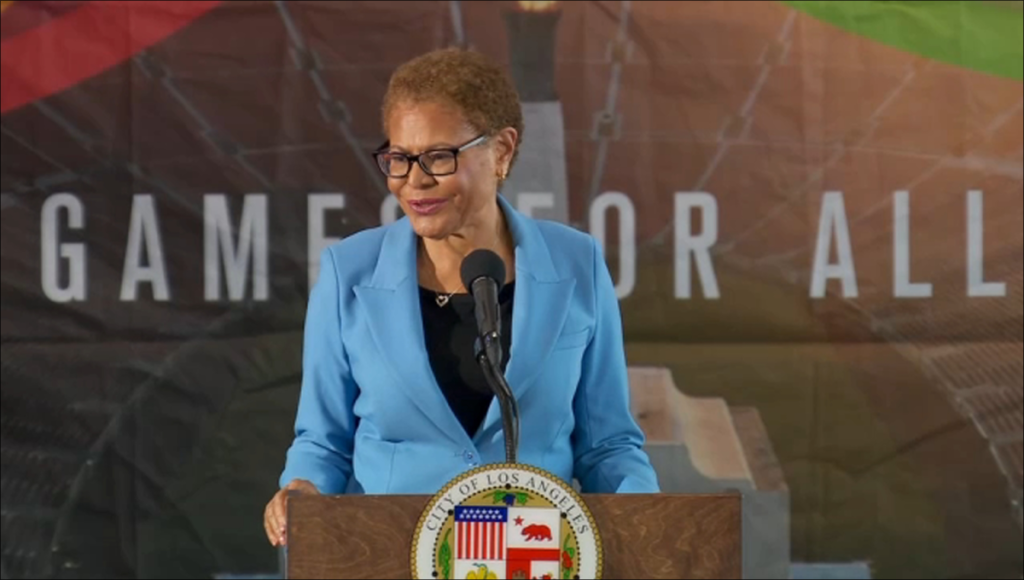
Los Angeles Mayor Karen Bass Photo credit: ABC7.com
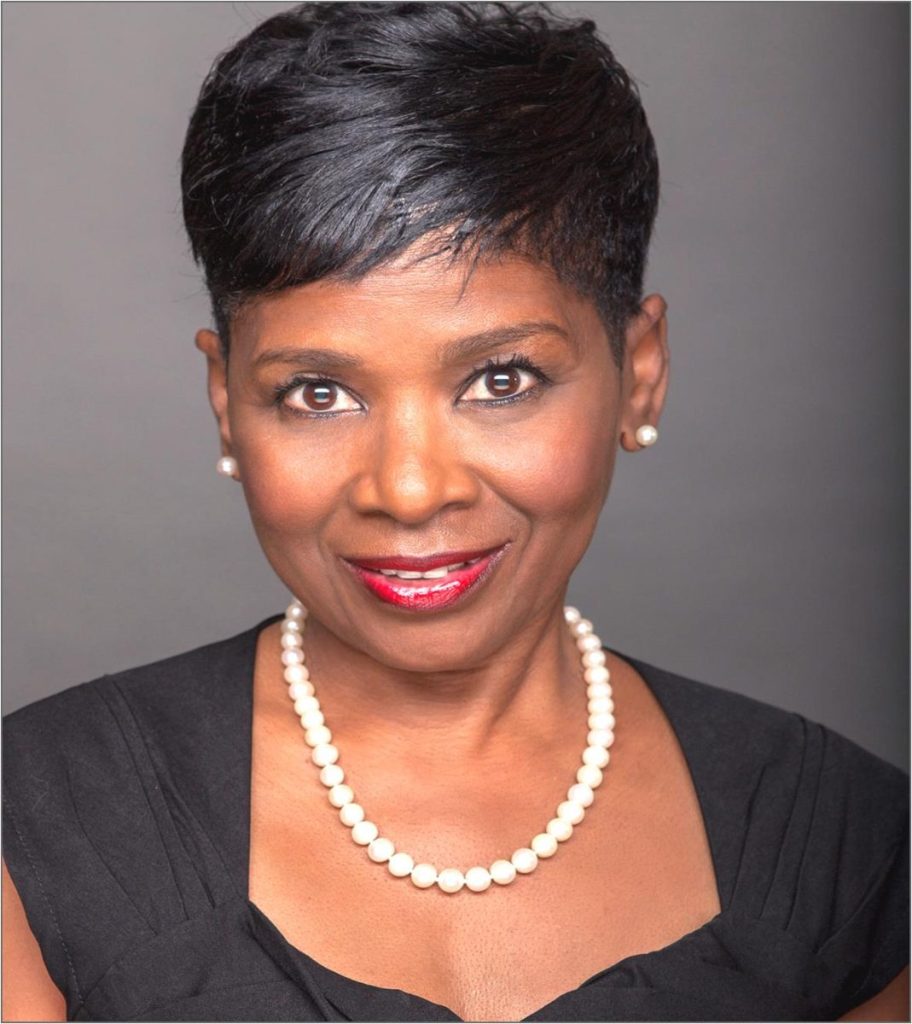 By Dr. Gloria Zuurveen, Editor-in-Chief
Leadership is revealed in moments of crisis.
Not during election campaigns.
Not during ribbon cuttings.
Not during photo opportunities.
Leadership reveals itself when a community is hurting and looking for someone willing to stand up, speak out, and acknowledge its pain.
This past week, America witnessed two tragedies and two very different responses from public officials.
In Los Angeles, a dog named Jameson was fatally shot by an LAPD officer in Canoga Park.
The incident generated public concern.
Body-camera footage was reviewed.
Within days, Mayor Karen Bass publicly addressed the matter.
She called the footage disturbing and tragic.
She directed a review of department policies.
She publicly acknowledged the concerns of the community.
Most importantly, the public knew she had seen the footage and that she wanted transparency.
Whether one agrees with her conclusions is beside the point.
She responded.
She engaged.
She led.
Now let us travel from Los Angeles to Senatobia, Mississippi.
A one-year-old child is dead

Kohen Wiley will never celebrate another birthday.
He will never attend school.
He will never play ball in the yard.
He will never become the man he might have been.
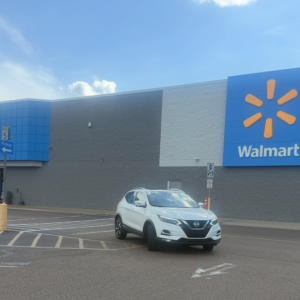
His life ended on June 14, 2026, during an encounter involving a Senatobia police officer in the parking lot of Walmart.
And while the nation has watched, many citizens of Senatobia have been left asking a painful question:
Why did it take so long for local leadership to speak?
Mayor Todd Graves has now issued a public statement.
That statement is welcome.
Every acknowledgment of a community’s grief matters.
But the timing itself has become part of the story.
Because while Los Angeles officials publicly addressed the shooting of a dog within days and disclosed that the Mayor had reviewed body-camera evidence, the people of Senatobia are still waiting for answers concerning a child.
As of today, the public has not been shown body-camera footage.
The public does not know what local elected officials have personally seen.
The public does not know when the footage might be released.
The public does not know whether city leaders have reviewed the evidence for themselves.
The contrast is difficult to ignore.
In Los Angeles, the public knows the Mayor viewed the footage.
In Senatobia, the public is still waiting to learn what information its leaders possess.
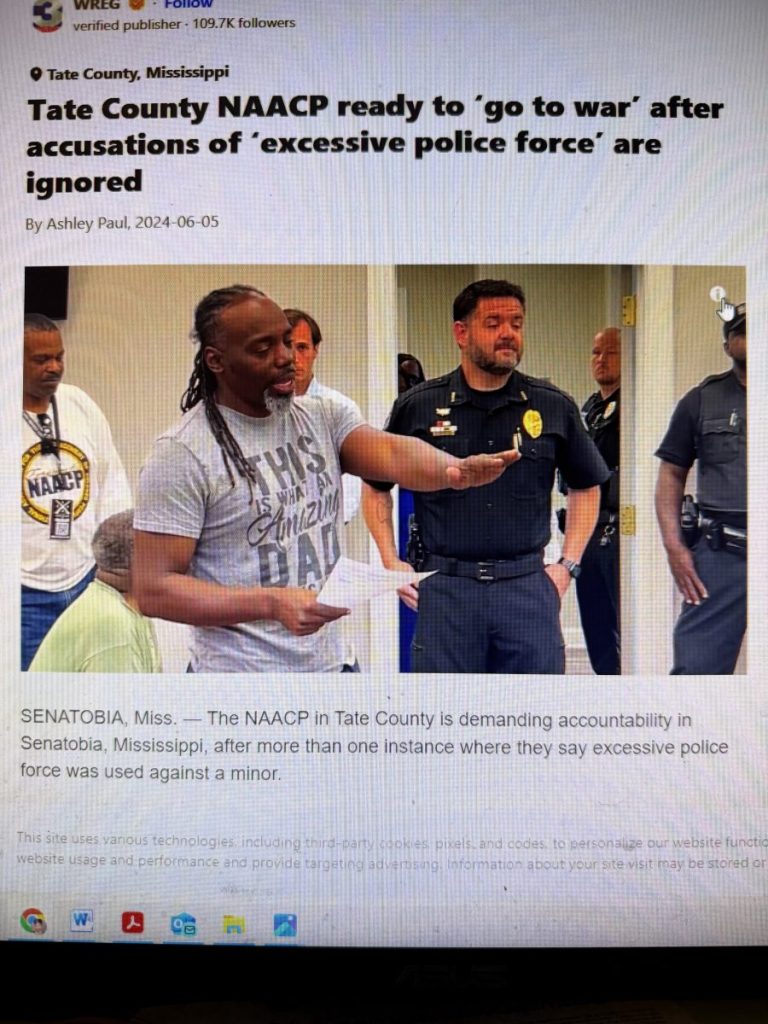
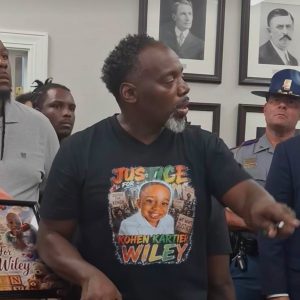
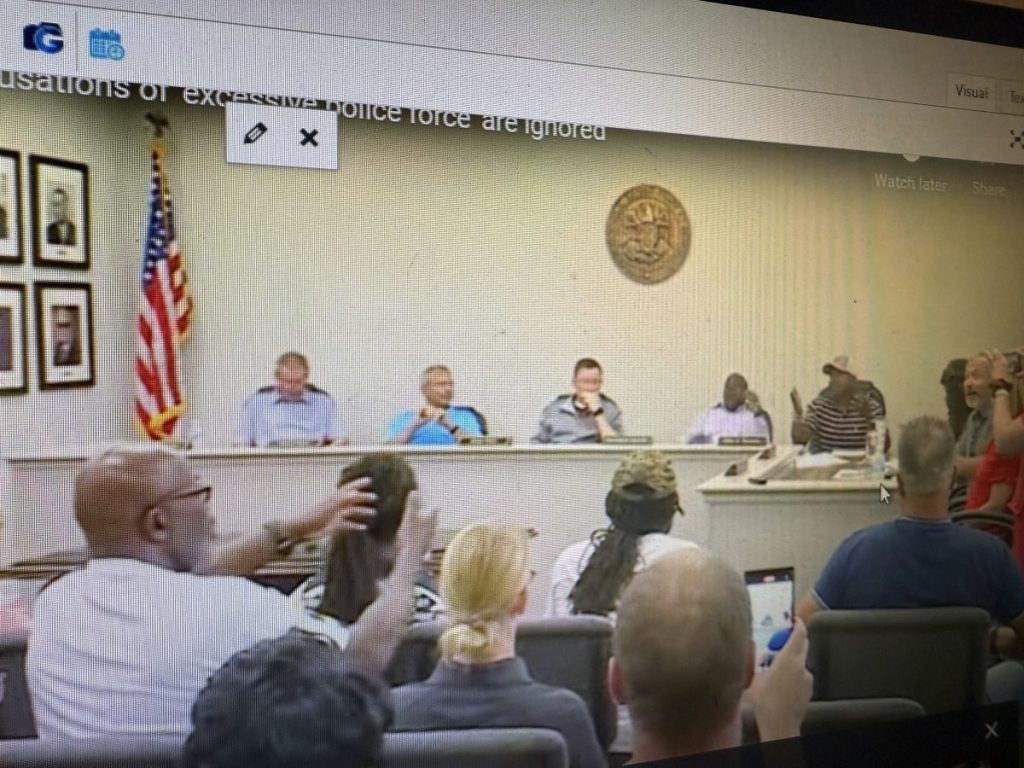
Patrick Alexander, Community Activist, speaking during a Senatobia City Council meeting.
Body cameras were introduced across America with a promise.
The promise was transparency.
The promise was accountability.
The promise was public trust.
When objective evidence exists, citizens naturally expect it to help answer questions rather than create new ones.
That expectation is not unreasonable.
It is exactly what the public was told body cameras were for.
The people of Senatobia are not demanding special treatment.
They are demanding equal treatment.
They are demanding transparency.
They are demanding accountability.
They are demanding leadership.
And beyond the Mayor’s statement, another silence continues to echo throughout the community.
Where are the public statements from Supervisor Tony Sandridge?
Where are the public statements from Alderman Sean Tanksley?
-
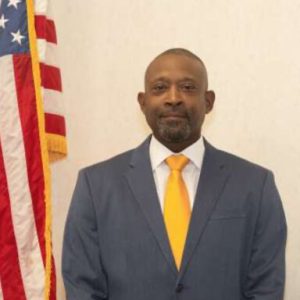
- Allen “Vashaun” Tanksley
-
- Demetrius Garrett
-
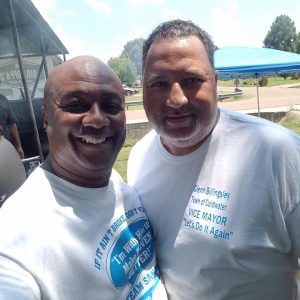
- Tony Sandridge, County Supervisor Mayor Glendon (Glenn) Billingsley. (Sandridge’s Facebook photo)
Where are the public statements from Alderman Demetrius Garrett?
A community is grieving.
A family is mourning.
Yet many residents remain unable to identify meaningful public responses from officials elected to represent significant portions of Senatobia’s Black community.
Leadership is not simply occupying a seat.
Leadership is not simply attending meetings.
Leadership is not simply voting on agenda items.
Leadership requires presence.
Leadership requires empathy.
Leadership requires the courage to speak when the people are hurting.
And perhaps that is why this tragedy is causing many citizens to think more deeply about the importance of civic engagement.
One vote matters.
One voice matters.
One election matters.
The discussion surrounding leadership and accountability in Senatobia cannot be separated from the importance of representation.
Former Alderman Michael Cathey continues to pursue his election challenge through Mississippi’s appellate court system, where the outcome of a disputed vote remains under review as we speak. The case serves as a powerful reminder that a single vote can determine who holds office, who represents a community, and who speaks on behalf of citizens during moments of crisis.
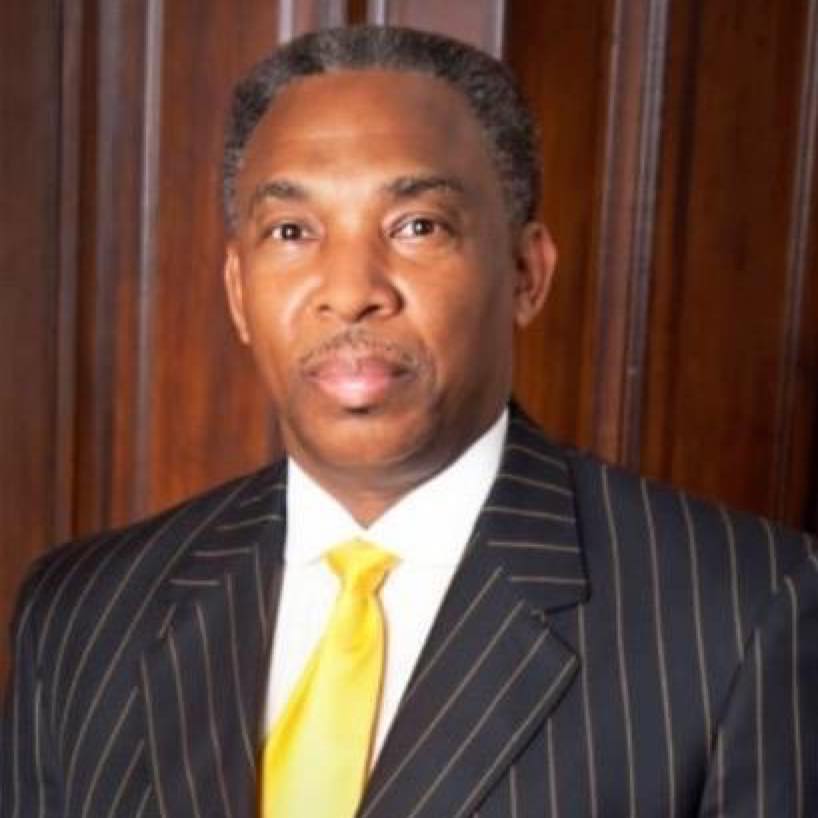
Michael Cathey
One vote.
Think about that.
One vote can determine who sits in office.
One vote can determine who represents a neighborhood.
One vote can determine who speaks when a community is hurting.
One vote can determine whether citizens feel heard or ignored.
That is why voting matters.
That is why participation matters.
That is why accountability matters.
The people remember who speaks.
The people remember who remains silent.
The people remember who shows up.
And the people remember who stood with them when they needed leadership the most.
The Wiley family continues to wait.
The community continues to wait.
The public continues to wait.
Meanwhile, public discussion continues regarding the information that has already been released and the explanations that have already been offered.
Citizens are examining every statement.
Every report.
Every timeline.
Every detail.
Not because they oppose the investigation.
But because trust must be earned.
The Mississippi Bureau of Investigation has an obligation to conduct a thorough, professional, and independent review of the facts.
The public has an obligation to examine the results carefully when those findings are released.
That is how accountability works.
That is how democracy works.
That is how public trust is built.
But while investigators do their work, elected officials still have a responsibility to do theirs.
No investigation prevents compassion.
No investigation prevents empathy.
No investigation prevents leadership.
The question before Senatobia today is not merely what happened in a Walmart parking lot.
The question is what kind of community we want to be moving forward.
Do we want a community where citizens feel heard?
Do we want a community where leaders respond when tragedy strikes?
Do we want a community where transparency comes quickly rather than reluctantly?
Do we want a community where every child’s life is treated as precious and worthy of public concern?
Those are the questions now facing Senatobia.
Because if a Mayor in Los Angeles can publicly review footage and respond within days when a dog is killed, the people of Senatobia are justified in asking why it took so long for their own leaders to publicly acknowledge the death of a child.
That question is not about politics.
It is about priorities.
It is about accountability.
It is about leadership.
And until the people receive answers that satisfy both their minds and their hearts, that question will continue to linger throughout Senatobia.
That, dear reader, is The Southern Truth.