THE SOUTHERN TRUTH
Baby Kohen’s Final Ride: A White Carriage, a Black Family’s Grief, and America’s Fourth of July Contradiction
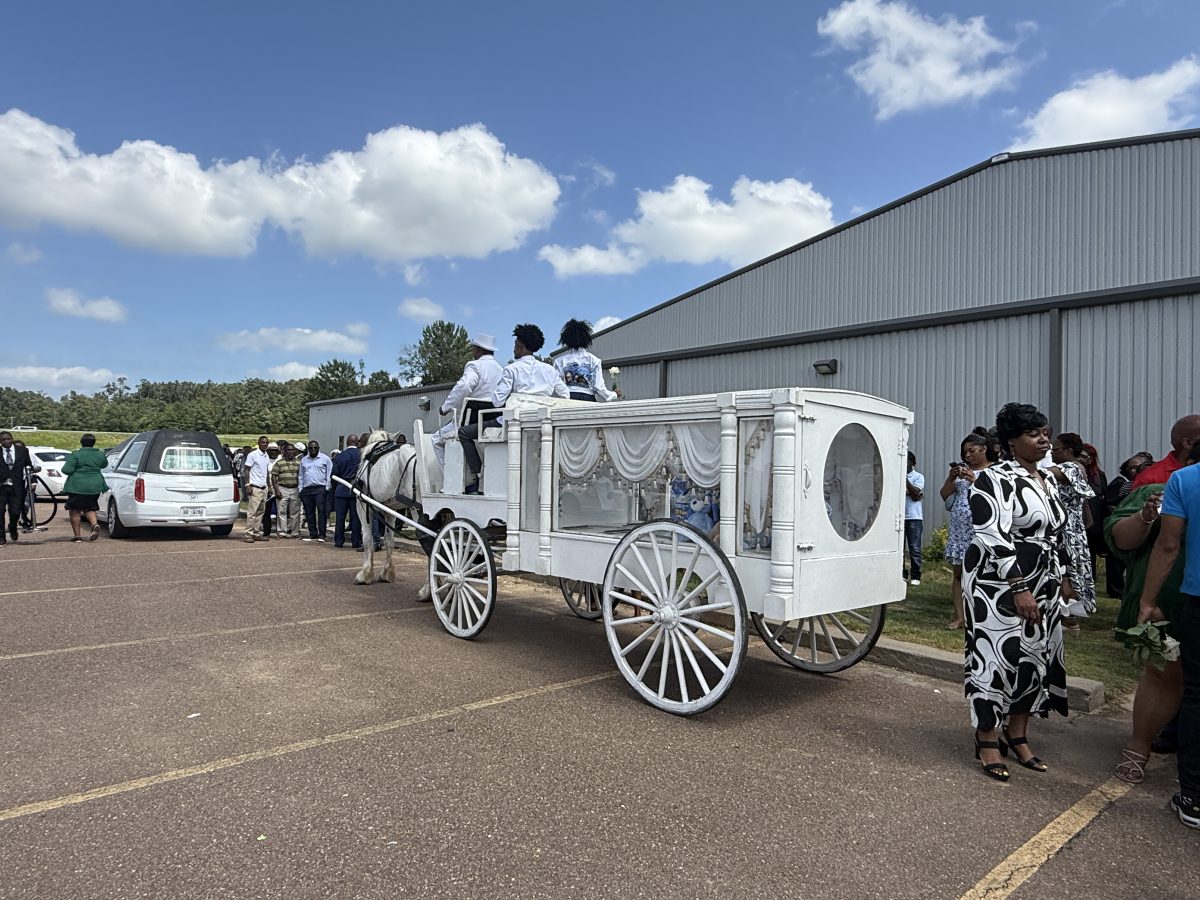
Kohen Wiley’s mother, Vellesiya Wiley, and father, Davion Williams, ride in a white horse-drawn carriage carrying Baby Kohen Wiley following funeral services on Saturday, June 27, 2026, in Pope, Mississippi. Photo by Gloria Zuurveen.

Kohen Wiley.
By Dr. Gloria Zuurveen, Editor-in-Chief
POPE, MISSISSIPPI — On Saturday, June 27, 2026, outside Hosanna Family Worship Center in Pope, Mississippi, about 12 miles south of Senatobia and not far from Sardis where the family lived, the grief was almost too heavy for words.
Baby Kohen Wiley, the one-year-old child killed after a Senatobia police officer fired into a vehicle outside Walmart on June 14, was carried toward his resting place in a white, horse-drawn carriage.
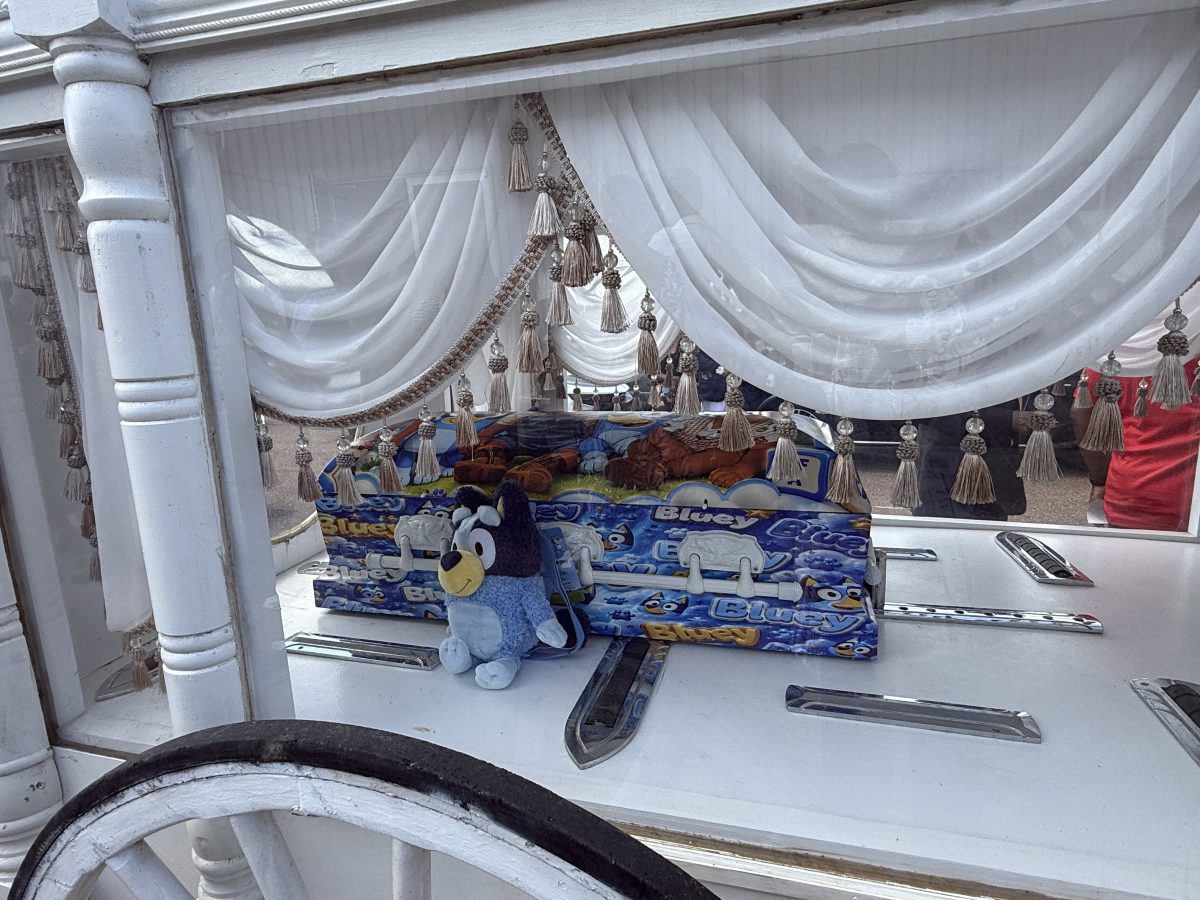
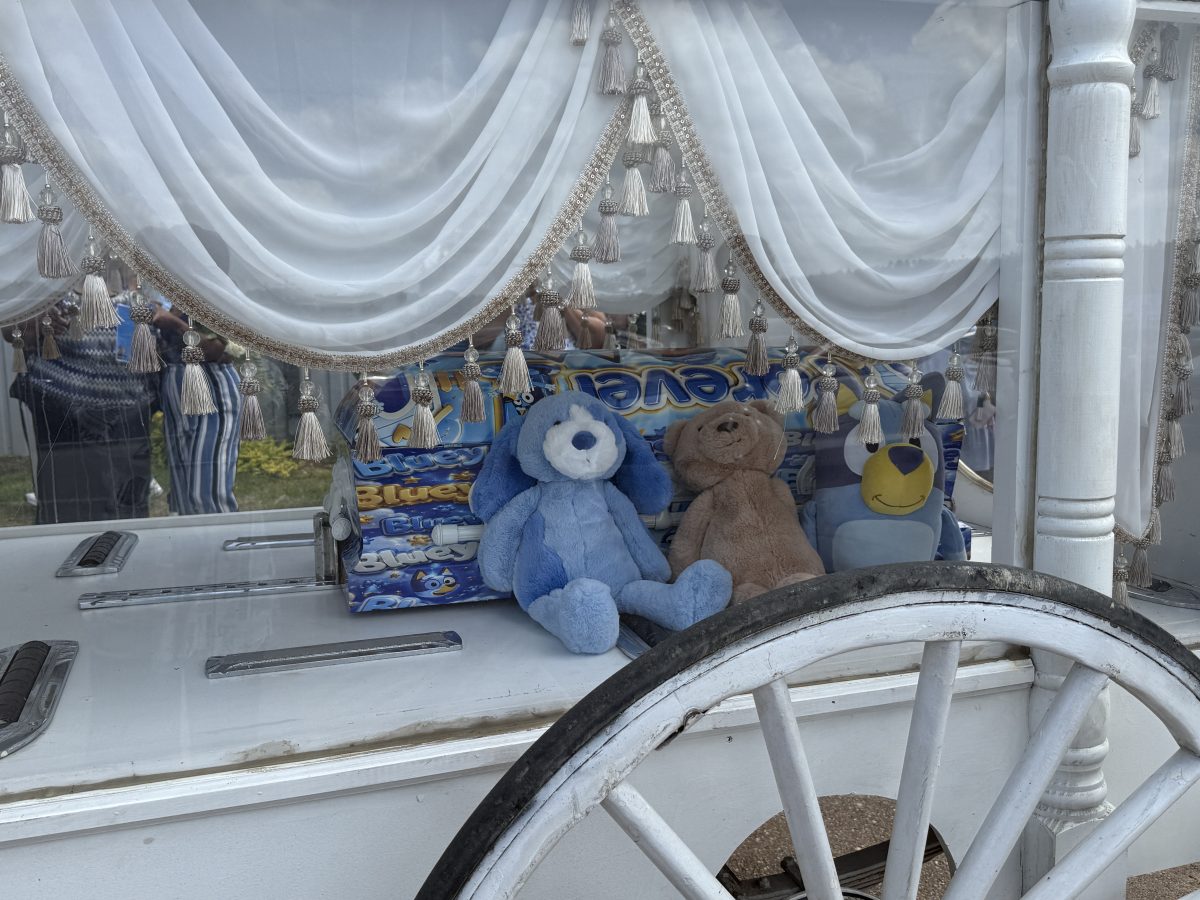
A white horse-drawn carriage carries Baby Kohen Wiley from funeral services in Pope, Mississippi, as family, friends, and community members gather in grief and remembrance. Photo by Gloria Zuurveen.
It was not Cinderella riding through a fairy tale. It was a baby boy, gone too soon, carried in a carriage prepared with soft white drapes, stuffed animals, and the innocent reminders of a child who should have lived to grow, play, learn, laugh, and run into the arms of his mother and father.
His mother and father rode with him on that final ride. From where I stood outside after the funeral, the crowd appeared to be mostly Black. I did not see white community presence in that outside gathering, and that absence spoke loudly in a week when America prepares to celebrate the Fourth of July in the name of freedom.
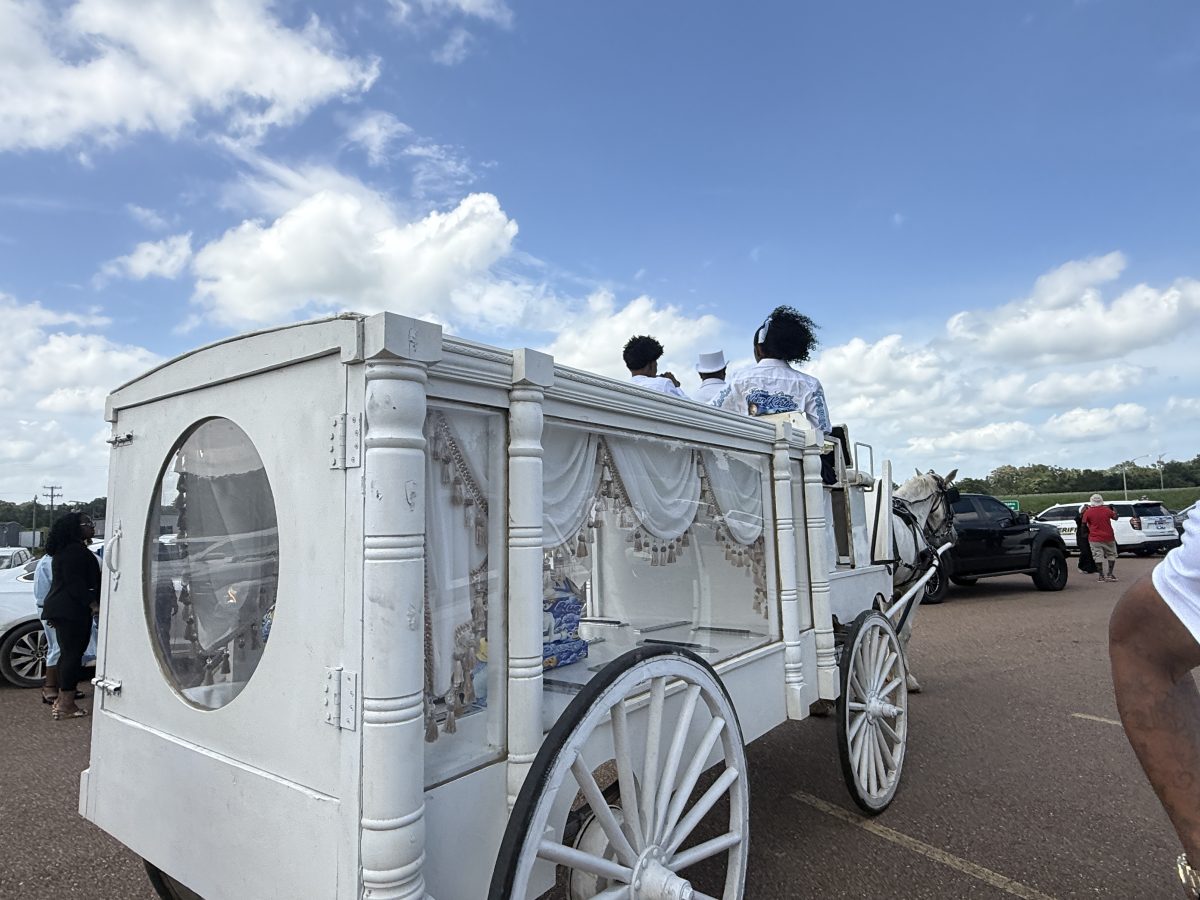
Kohen Wiley’s mother, Vellesiya Wiley, and father, Davion Williams, ride in a white horse-drawn carriage carrying Baby Kohen Wiley following funeral services on Saturday, June 27, 2026, in Pope, Mississippi. Photo by Gloria Zuurveen.
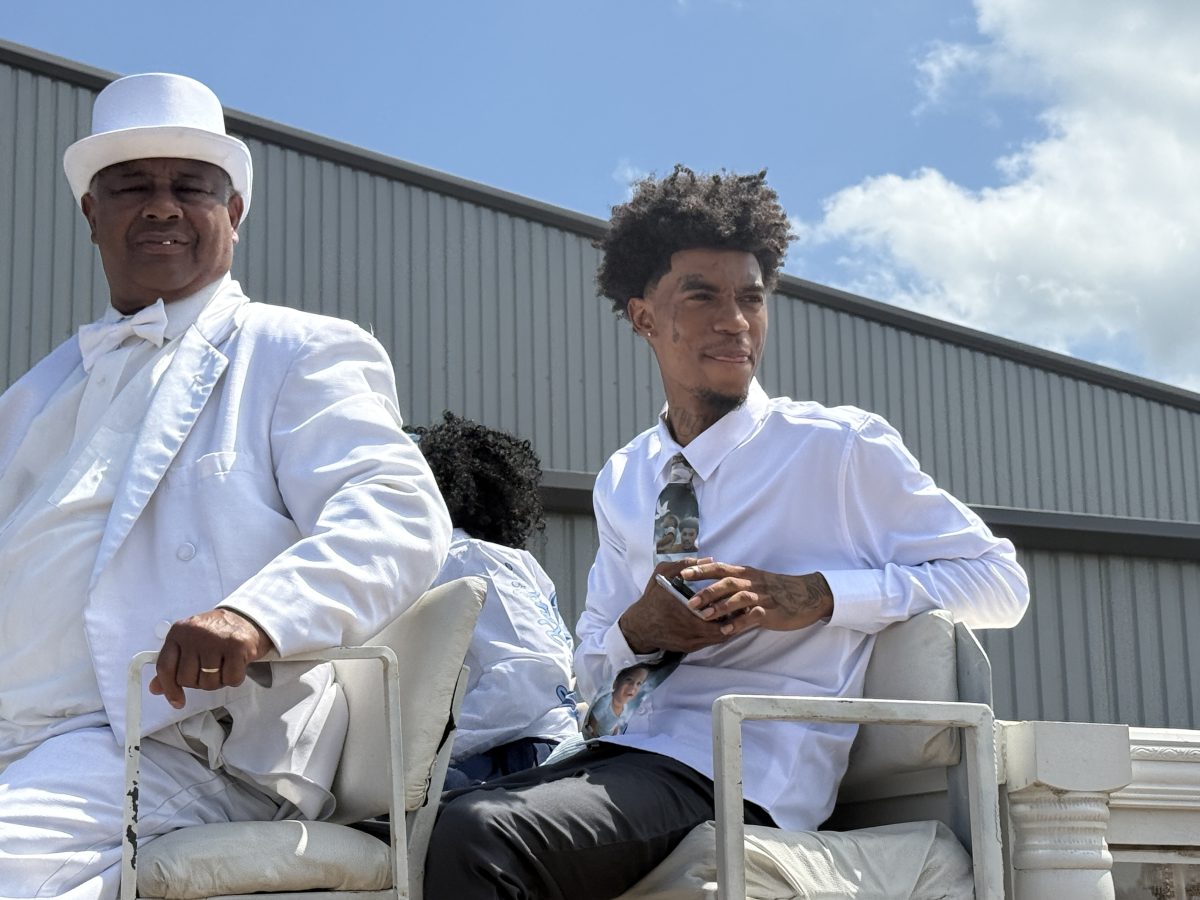
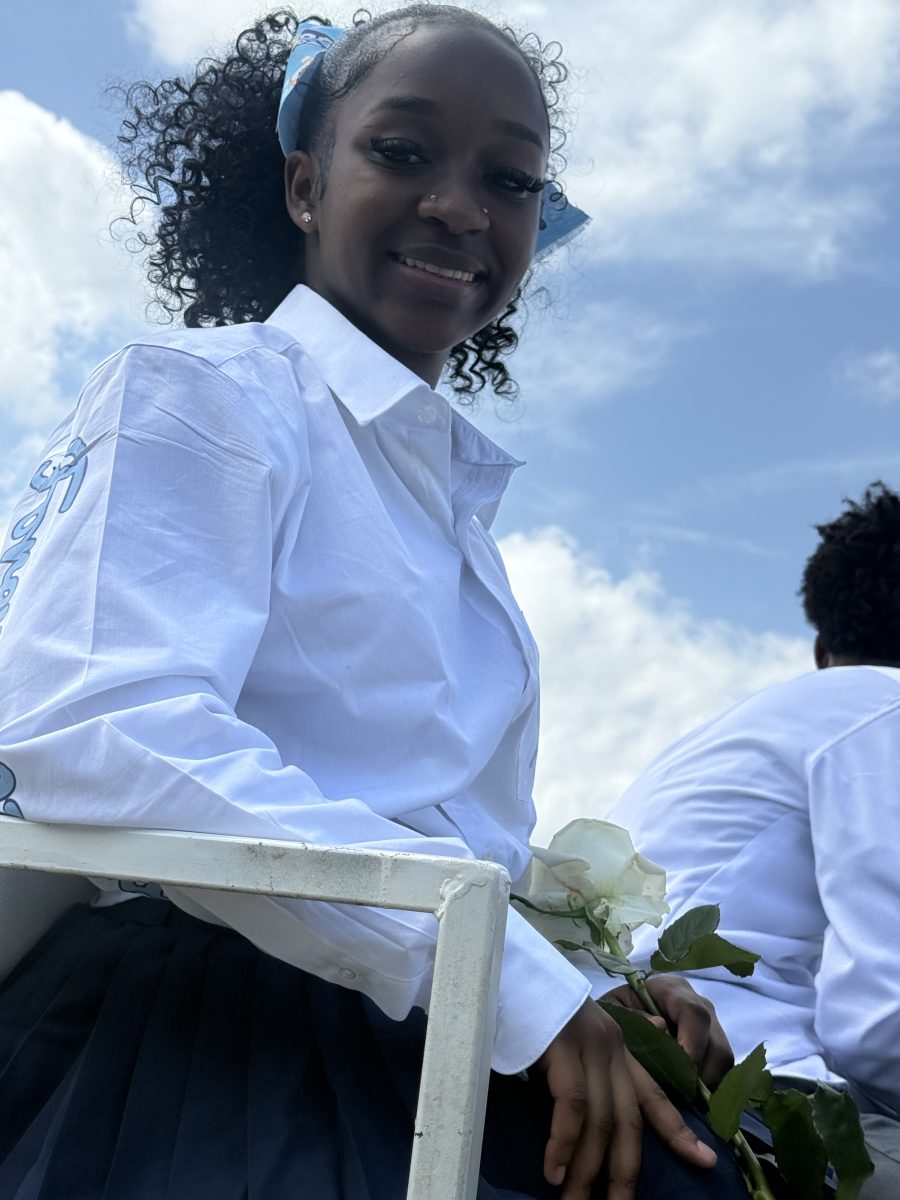
Kohen Wiley’s mother, Vellesiya Wiley, and father, Davion Williams, ride in a white horse-drawn carriage carrying Baby Kohen Wiley following funeral services on Saturday, June 27, 2026, in Pope, Mississippi. Photos by Gloria Zuurveen.
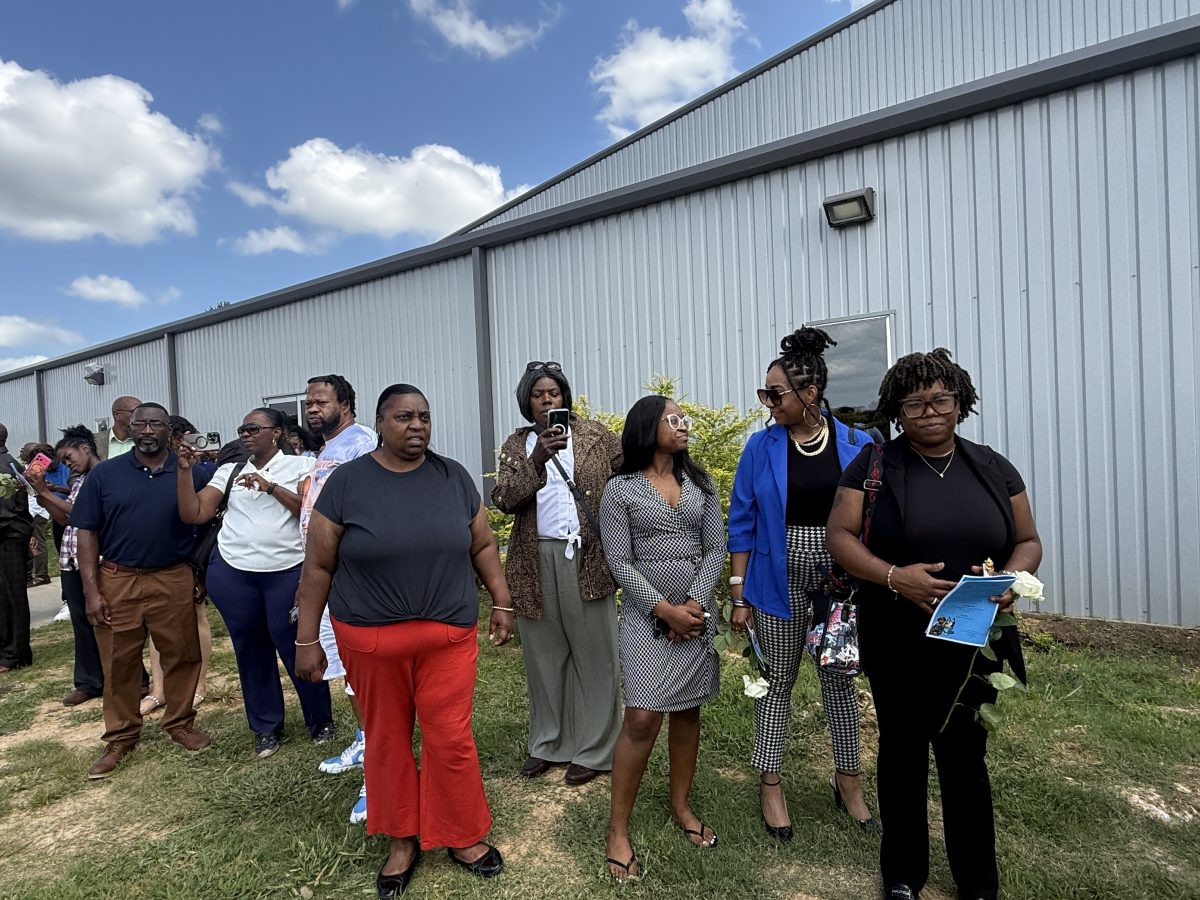
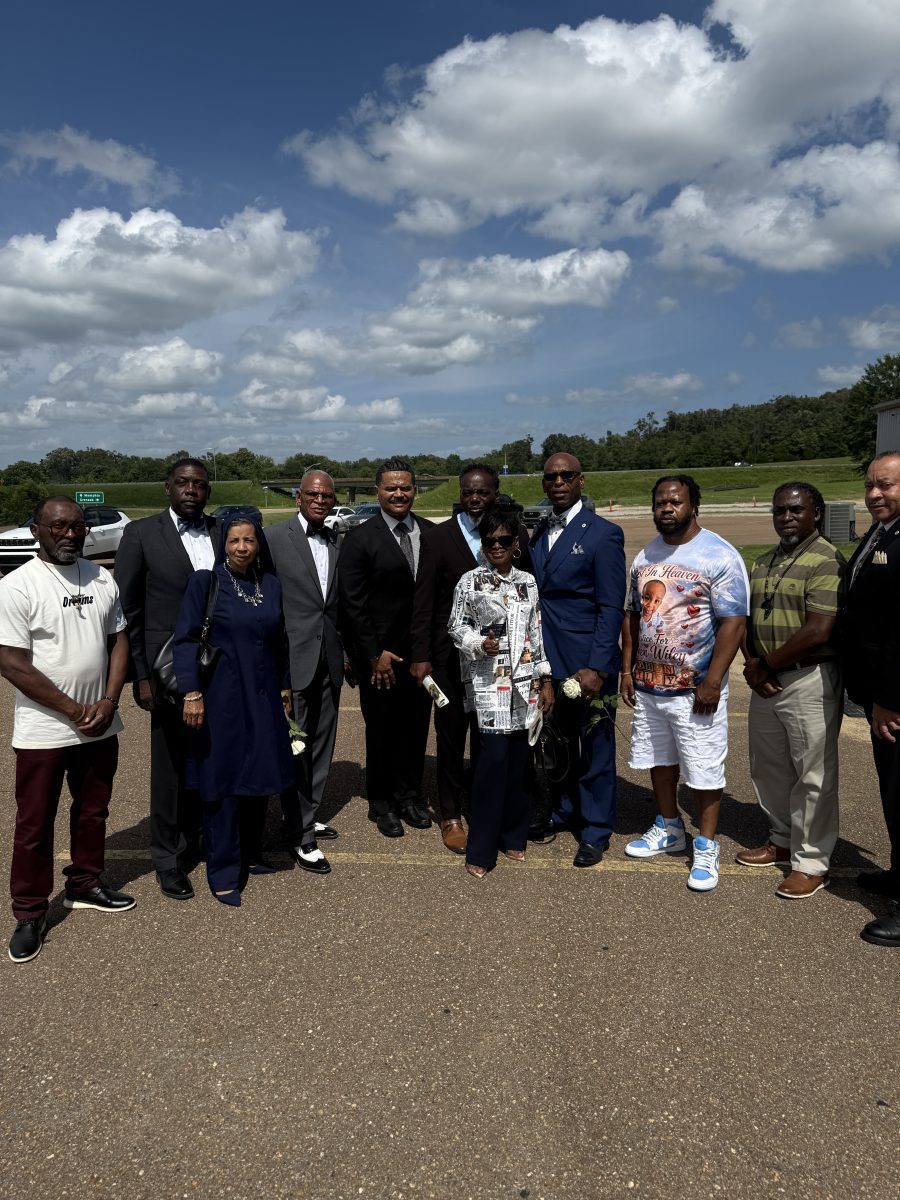
Family and community members stand outside after the funeral service for Baby Kohen Wiley, whose death has sparked calls for transparency, accountability, and justice in Senatobia, Mississippi. Photo by Gloria Zuurveen.
The question before us is painful but necessary: What kind of freedom is America celebrating when a Black baby can be shot dead after police respond to an alleged shoplifting call involving diapers?
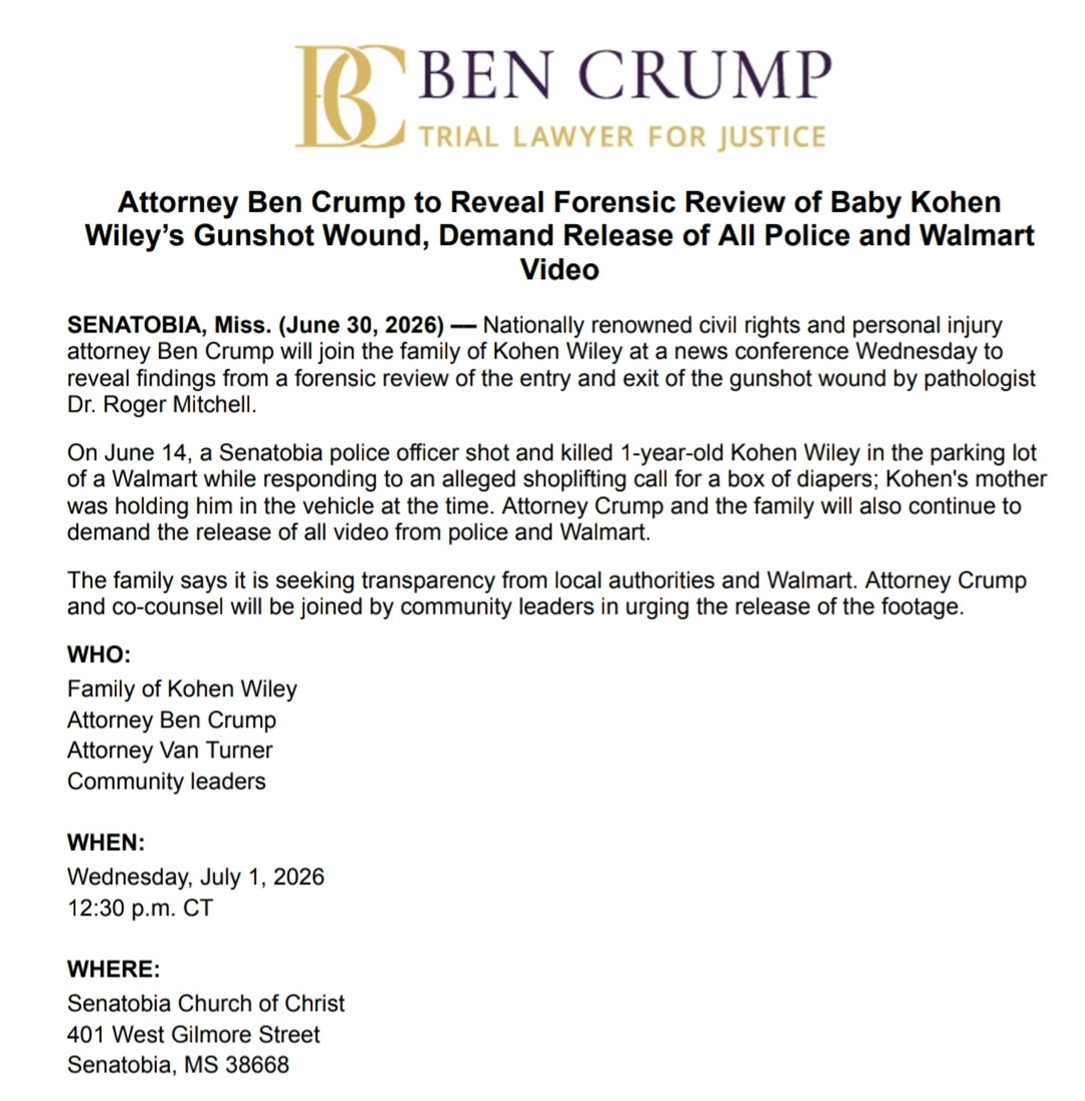
According to a June 30, 2026 press announcement from Ben Crump Law, provided to PACE NEWS by community activist Patrick Lumumba, Attorney Ben Crump was scheduled to join the family of Baby Kohen Wiley in Senatobia on Wednesday, July 1, 2026, to reveal findings from a forensic review of the entry and exit wounds conducted by pathologist Dr. Roger Mitchell. The announcement stated that Baby Kohen was shot and killed by a Senatobia police officer on June 14 in the parking lot of Walmart while officers were responding to an alleged shoplifting call involving a box of diapers, and that Kohen’s mother was holding him in the vehicle at the time. Crump and the family continue to demand the release of all police body-camera footage, dash-camera footage, dispatch communications, and Walmart surveillance video. Lumumba, who sent the announcement to PACE NEWS, has been boots on the ground and deeply involved in organizing, strategizing, and supporting the movement to hold those responsible accountable for the death of Baby Kohen. (Ben Crump)
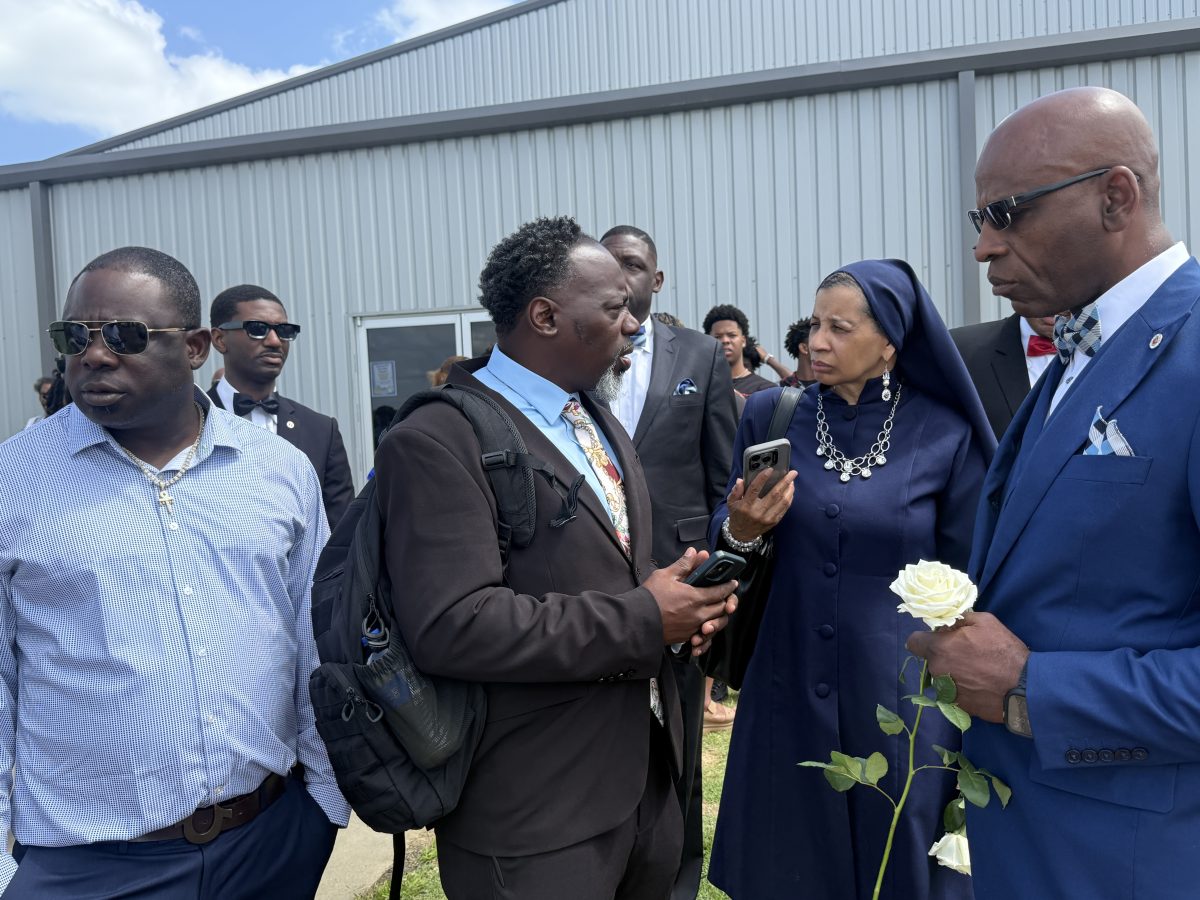
Community Activist Patrick Lumumba speaks with reporter from the Final Call newspaper at Kohen Wiley’s funeral in Pope, Mississippi on Saturday, June 27, 2026. Photo by Gloria Zuurveen
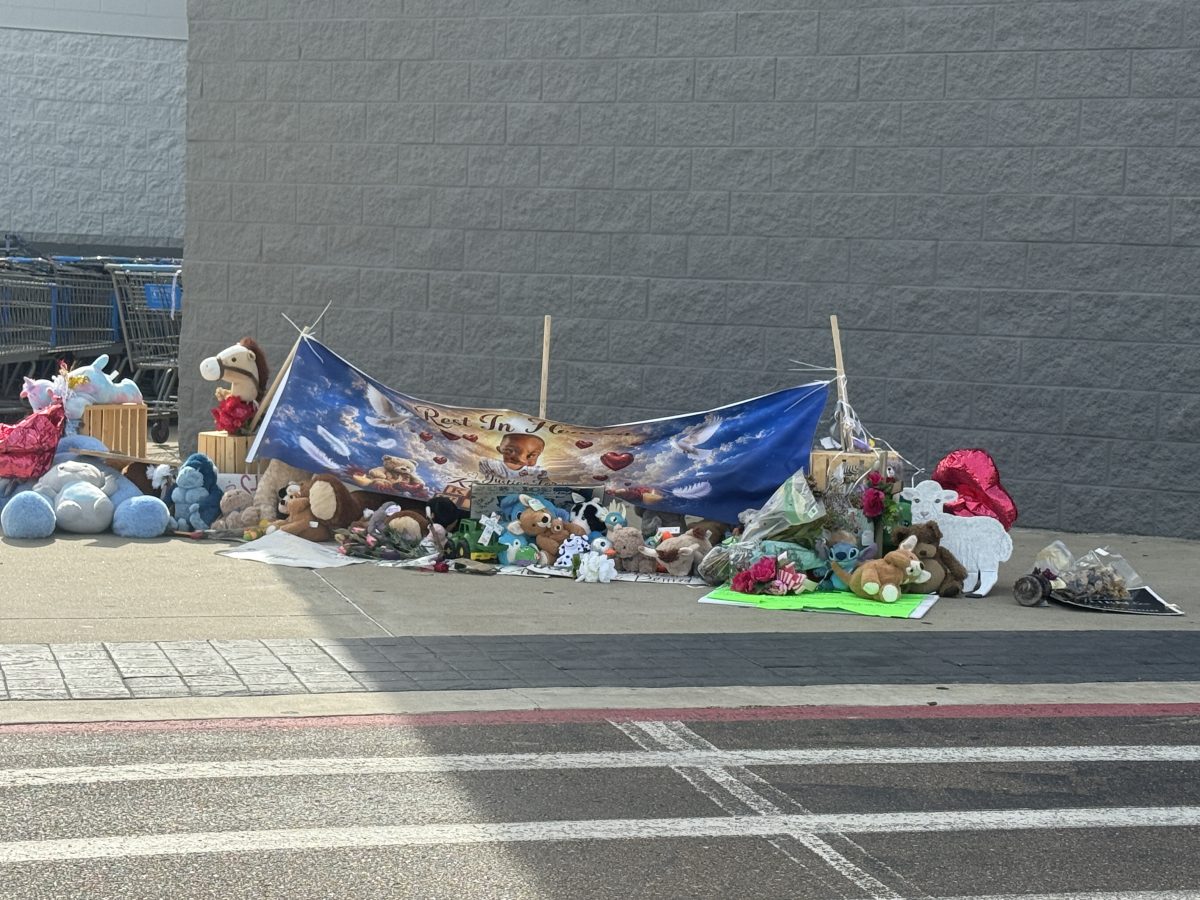
A memorial for Baby Kohen Wiley stands in front of Walmart in Senatobia, Mississippi, on Saturday, June 27, 2026. Photo by Gloria Zuurveen.
The family’s cry for transparency has now become a national demand. Black Lives Matter Grassroots, Building Bridges Coalition, Movement 4 Black Lives, and local community groups have called for the immediate release of all video and dispatch communications, the naming and prosecution of officers involved, and an end to what they describe as attempts to attack the character of Kohen’s mother, family, and community.
Walmart, too, stands in the center of public scrutiny. The coalition has demanded that Walmart release any store-owned video that captured the shooting and overhaul policies that result in police being called on Black people over non-violent, non-life-threatening accusations.
Let the moral issue be clear: There is no merchandise in Walmart more valuable than the life of a child.
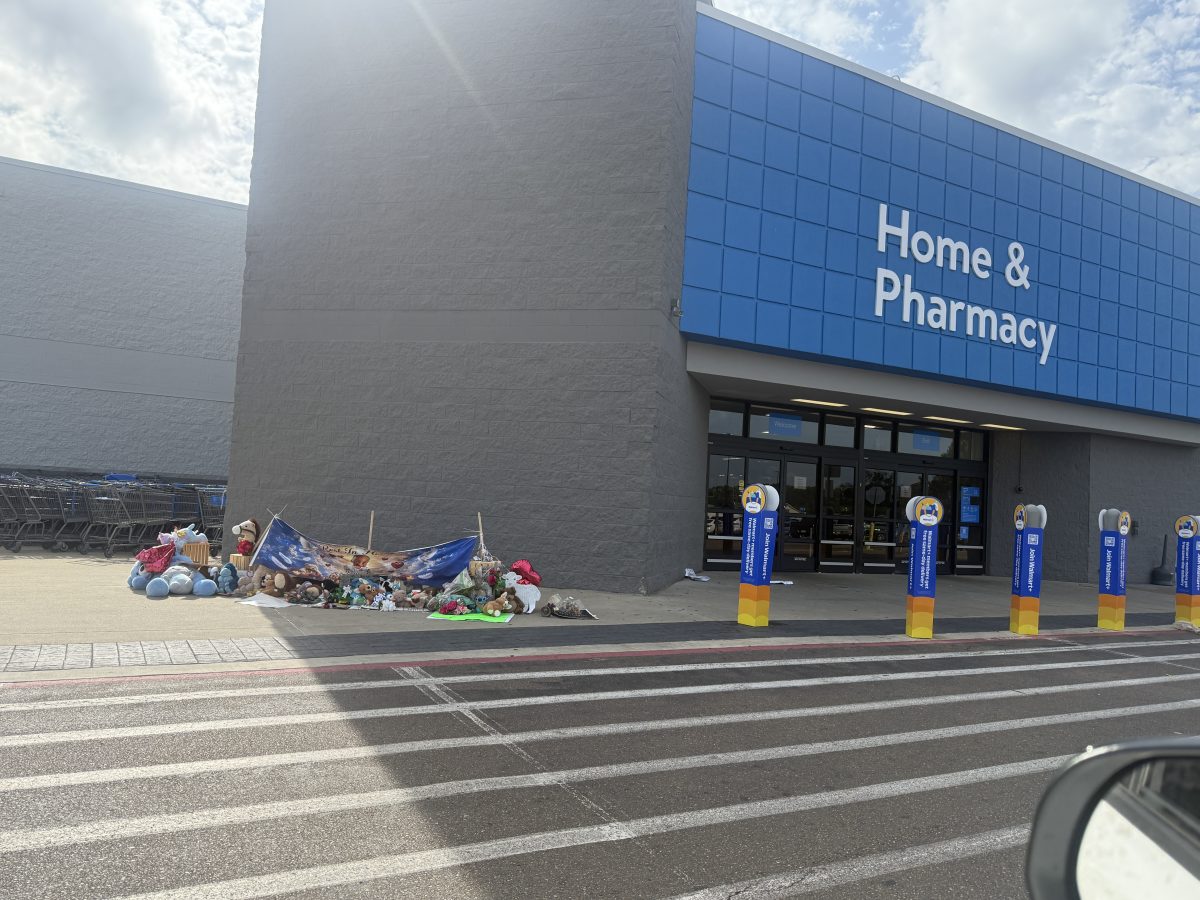
At the press conference scheduled at Senatobia Church of Christ, Attorney Ben Crump, co-counsel Attorney Van Turner, the family of Kohen Wiley, and community leaders were expected to continue pressing for transparency from local authorities and Walmart. The demand is simple: release the footage, release the truth, and let the public see what happened. (Ben Crump)
This is where the words and framework of author Neely Fuller Jr. become fitting. Fuller has long taught that racism must be understood as white supremacy, not merely as isolated prejudice, but as a system that operates through the major areas of human activity. In his counter-racist work, Fuller urges victims of racism to focus their time, speech, thought, and action on eliminating racism and establishing justice. His guiding principle remains clear: Justice is better than racism. (Google Books)
That is why this moment cannot be reduced to one officer, one Walmart, one town, or one funeral. Baby Kohen’s death forces Senatobia, Mississippi, and America to face a larger question: What systems are being protected, and whose lives are being placed beneath profit, suspicion, fear, and force?
As the nation approaches the Fourth of July, Frederick Douglass’ 1852 question comes thundering back into the public conscience: “What, to the American slave, is your 4th of July?” Douglass answered that it was a day revealing “the gross injustice and cruelty” suffered by the enslaved. He also declared, “This Fourth July is yours, not mine. You may rejoice, I must mourn.” (Teaching American History)
For Black America, Douglass’ words remain painfully alive. While fireworks light up the sky, a Mississippi family is left mourning a baby whose life was taken before he could even understand the meaning of freedom.
What is the Fourth of July to Baby Kohen’s mother?
What is the Fourth of July to his father?
What is the Fourth of July to a Black community standing outside a church in Pope, Mississippi, watching a white carriage carry a baby to his grave?
This is not just grief. This is an indictment.
The funeral service itself was a sacred moment. Outside the church, family, friends, clergy, activists, and community members gathered in deep sorrow. White roses were held in hands. Black families stood under the Mississippi sun. The white carriage, carrying the symbols of a child’s short life, became more than a funeral vehicle. It became a rolling testimony of innocence, loss, and unfinished justice.
Inside and outside that moment, one truth stood above all others: Baby Kohen should still be alive.
But after the funeral, the demand remains: Release the footage. Tell the truth. Let justice roll down.
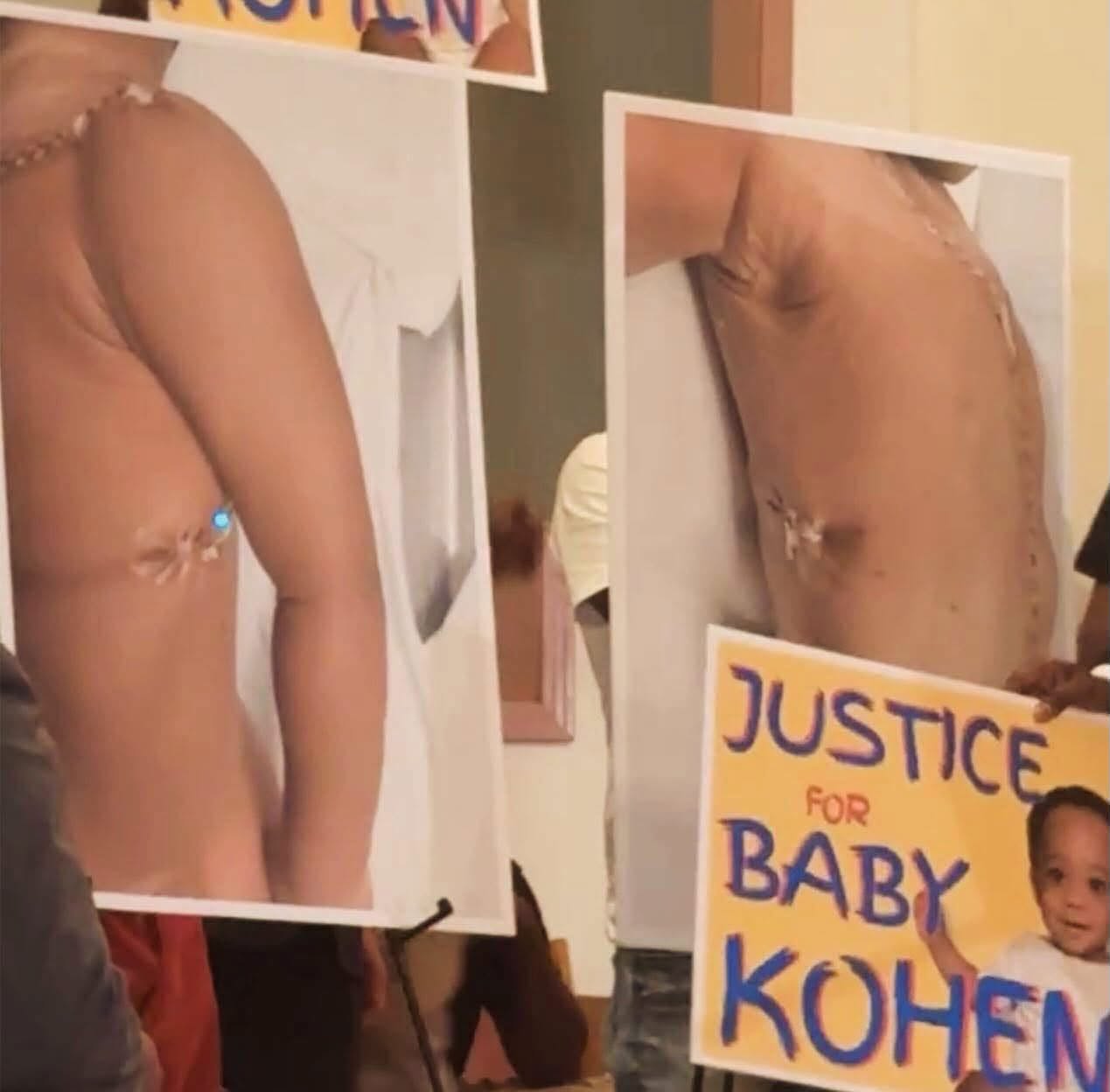
Forensic images of Baby Kohen Wiley’s fatal gunshot wound are displayed during a press conference as the family, attorneys, and community leaders demand justice and the release of all police and Walmart video from the June 14, 2026 shooting in Senatobia, Mississippi. Photo courtesy of Patrick Alexander’s Facebook page.
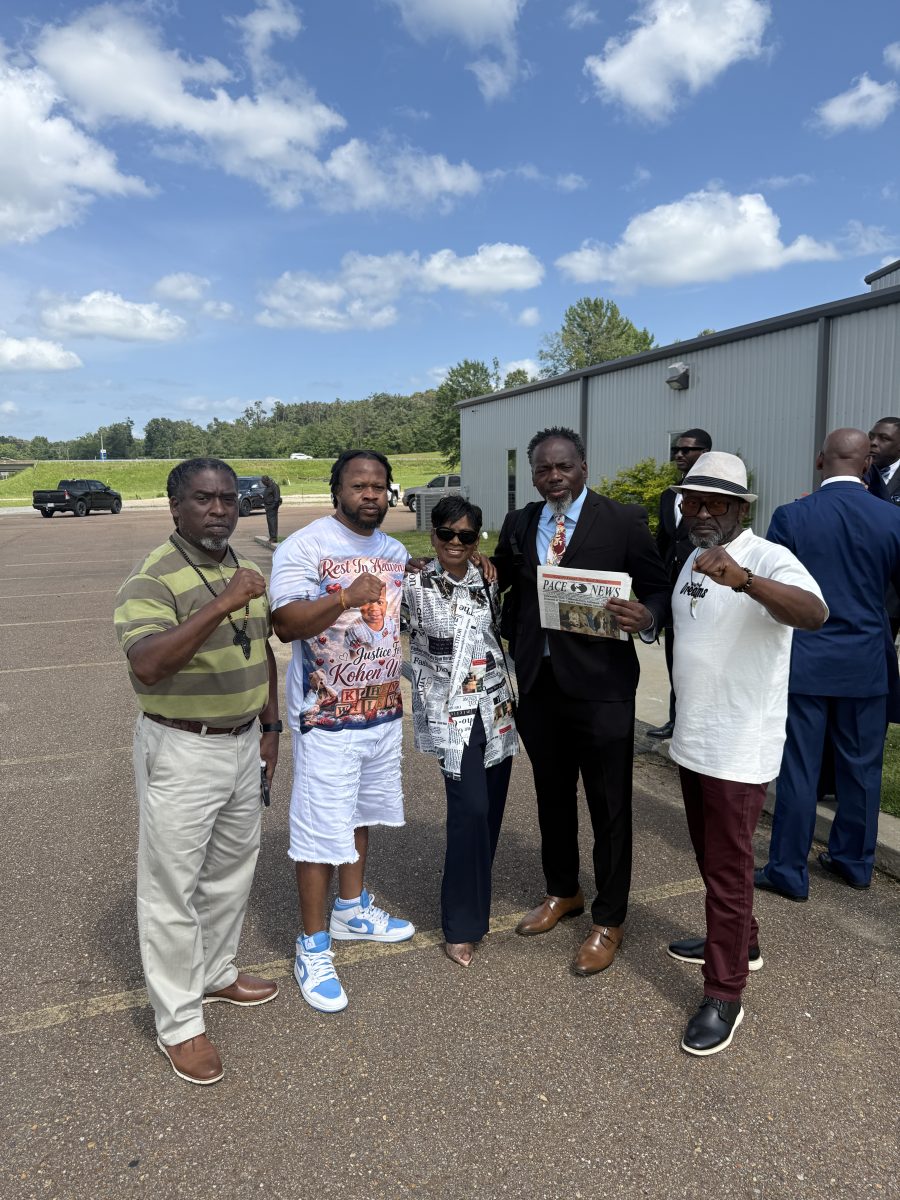
Dr. Gloria Zuurveen joins community activists Patrick Lumumba and Mark Lesure, both Senatobia residents, as the community continues to demand transparency and justice following the death of Baby Kohen Wiley .Photo courtesy of PACE NEWS.
Baby Kohen’s death happened in a time when America claims freedom, but too many Black families still live under a cloud of fear when police are called. It happened during a season when the nation waves flags while Black mothers bury sons. It happened in a small Mississippi town where community members have already raised concerns about policing, accountability, and whether Black life is truly valued by those entrusted with public power.
There must be no peace in the silence of officials. There must be no comfort in delay. There must be no hiding behind investigations while a mother and father wait for truth.
Baby Kohen’s final ride in that white carriage was not only a funeral procession. It was a message to America.
A baby should not have to become a martyr for a town to examine its conscience.
A child should not have to die for Walmart to review its policies.
A family should not have to beg for video in a case where the public deserves transparency.
A community should not have to march in the heat, mourn in the church, and cry in the streets before justice is taken seriously.
As the Fourth of July arrives, let America not only wave the flag, but face the truth beneath it.
Because until Baby Kohen’s family receives full transparency, accountability, and justice, the fireworks will sound less like celebration and more like thunder over unfinished freedom.
Rest in peace, Baby Kohen Wiley.
Justice in your name must not be delayed, denied, or buried.